This week I decided to make the chesse puffs. It’s been a busy week for me, so let’s get into it!
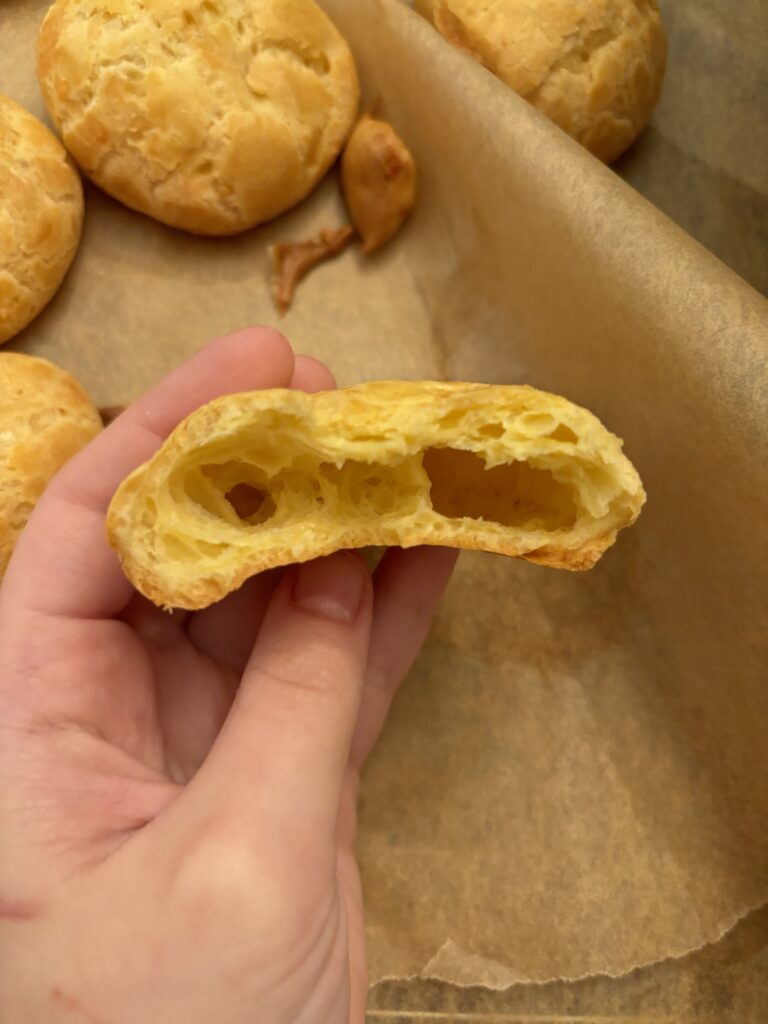
The Classic Pâte à Choux
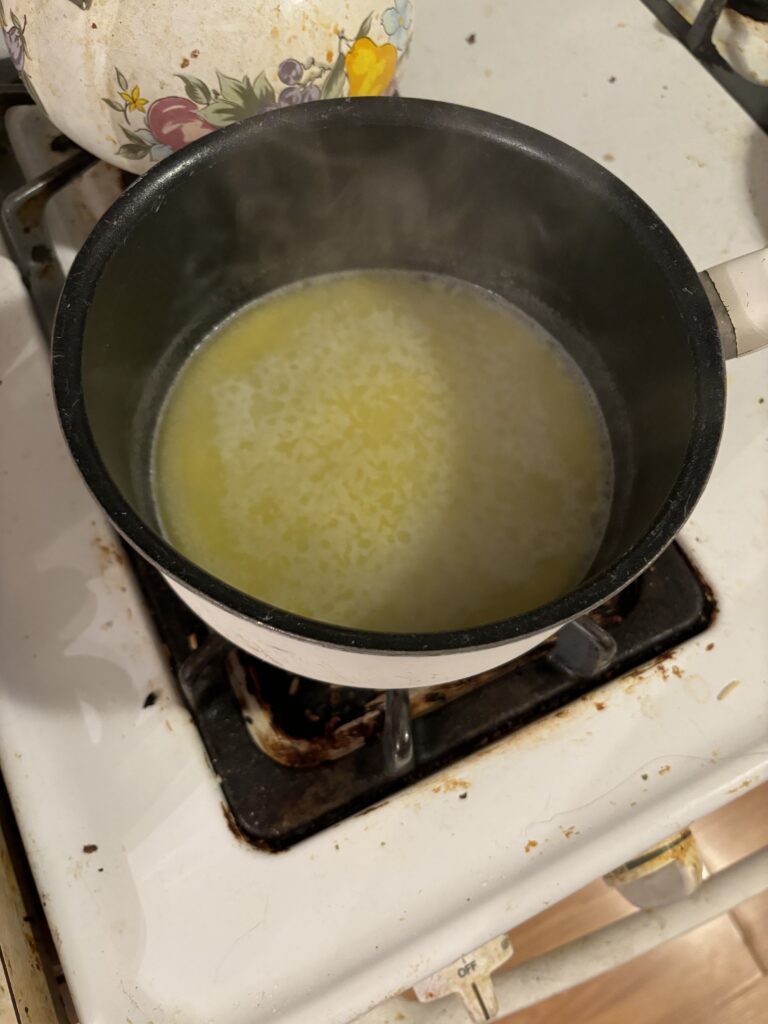
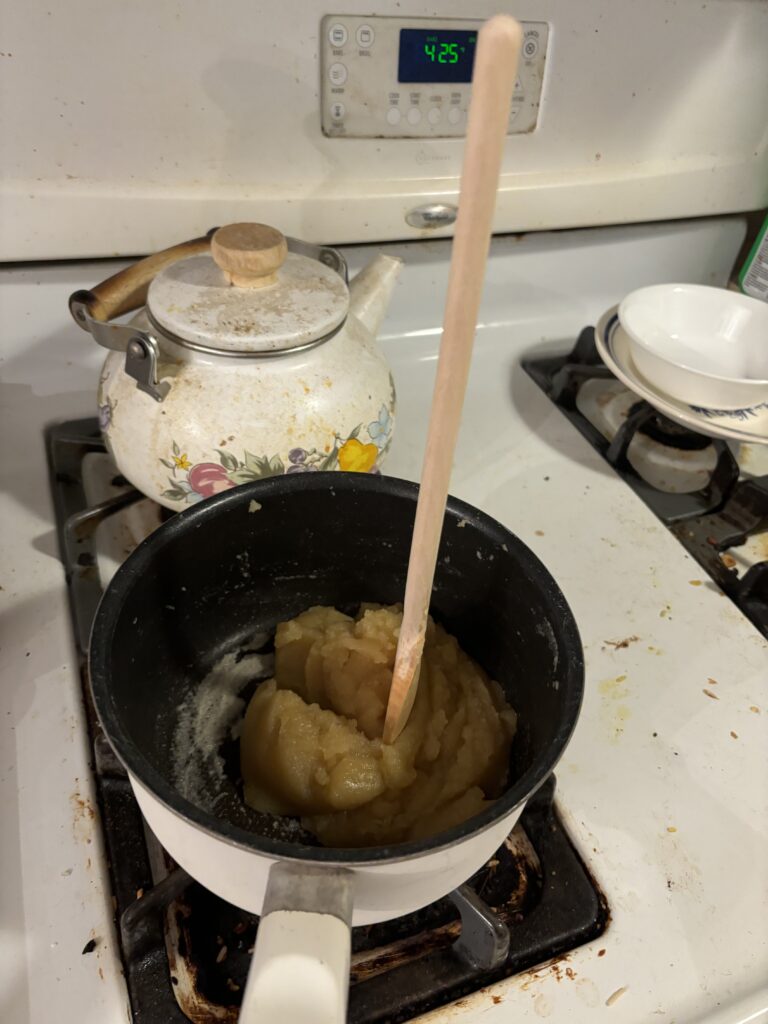
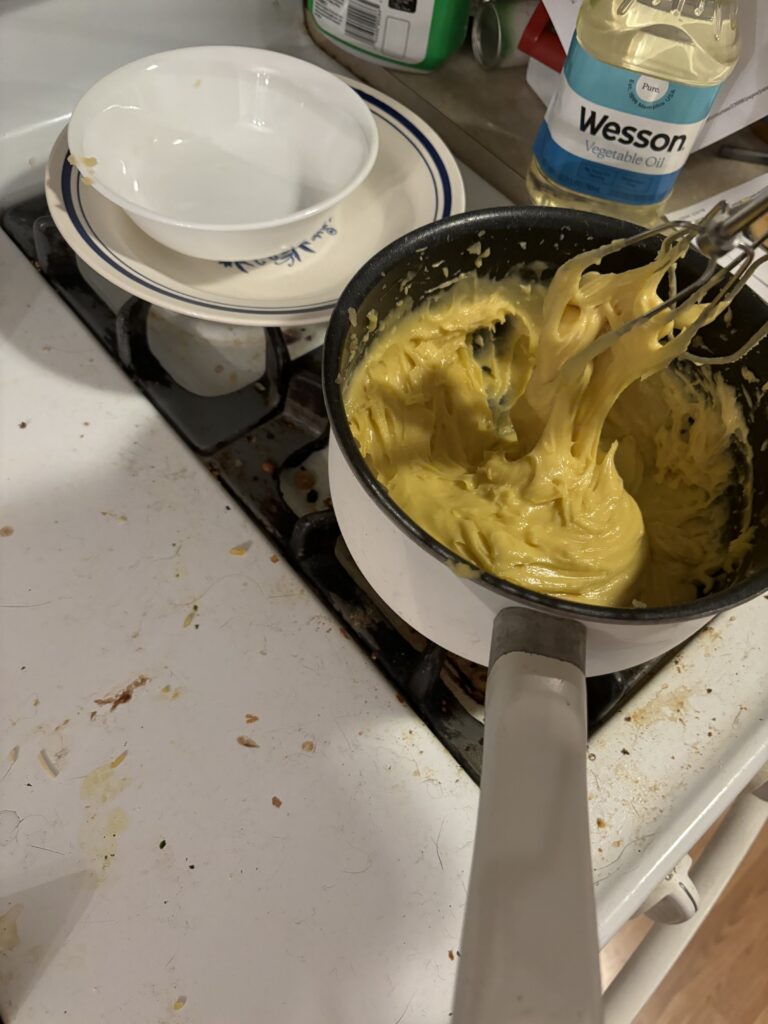
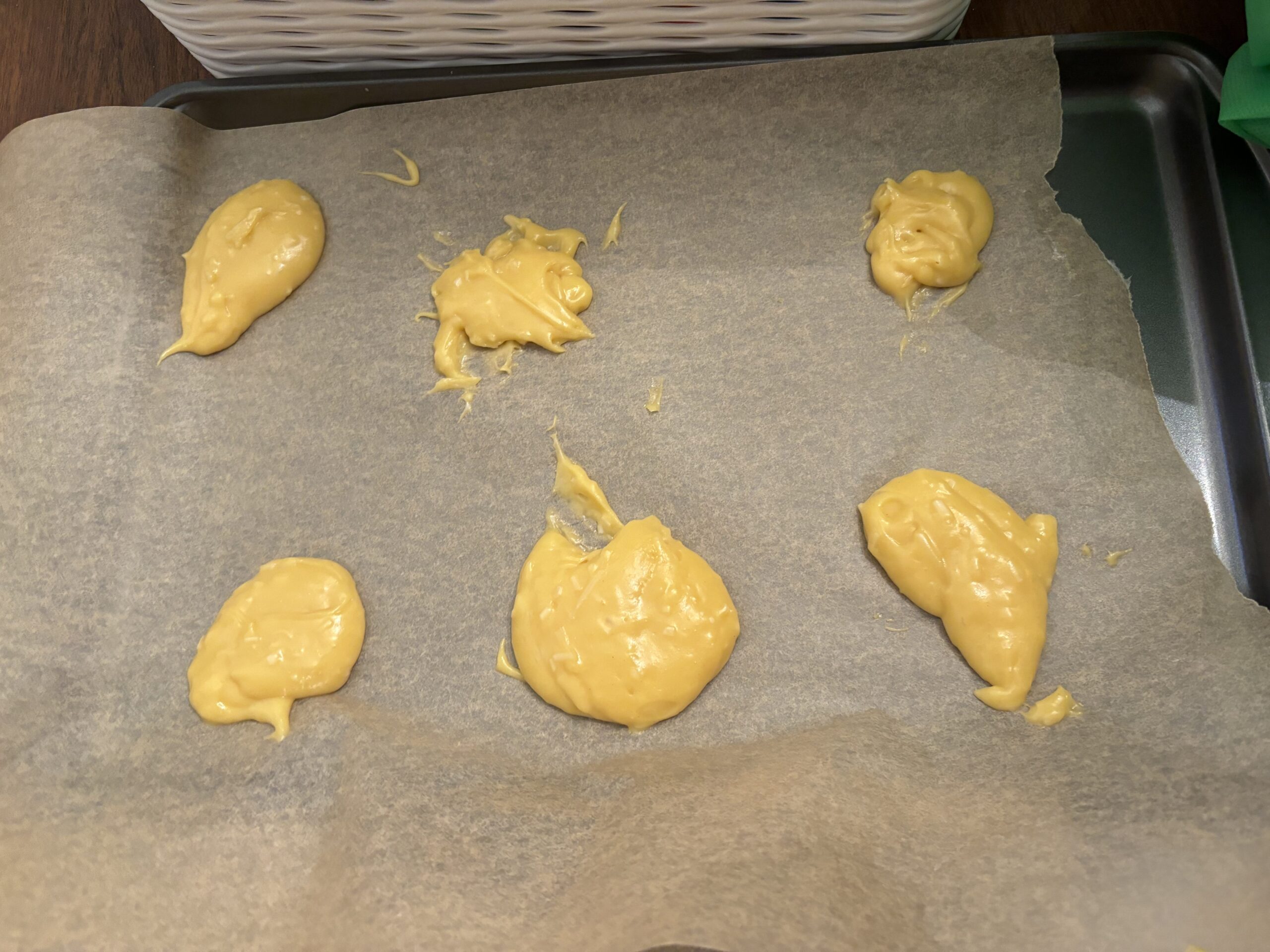
As you can probably tell, I REALLY struggled with piping out the dough.
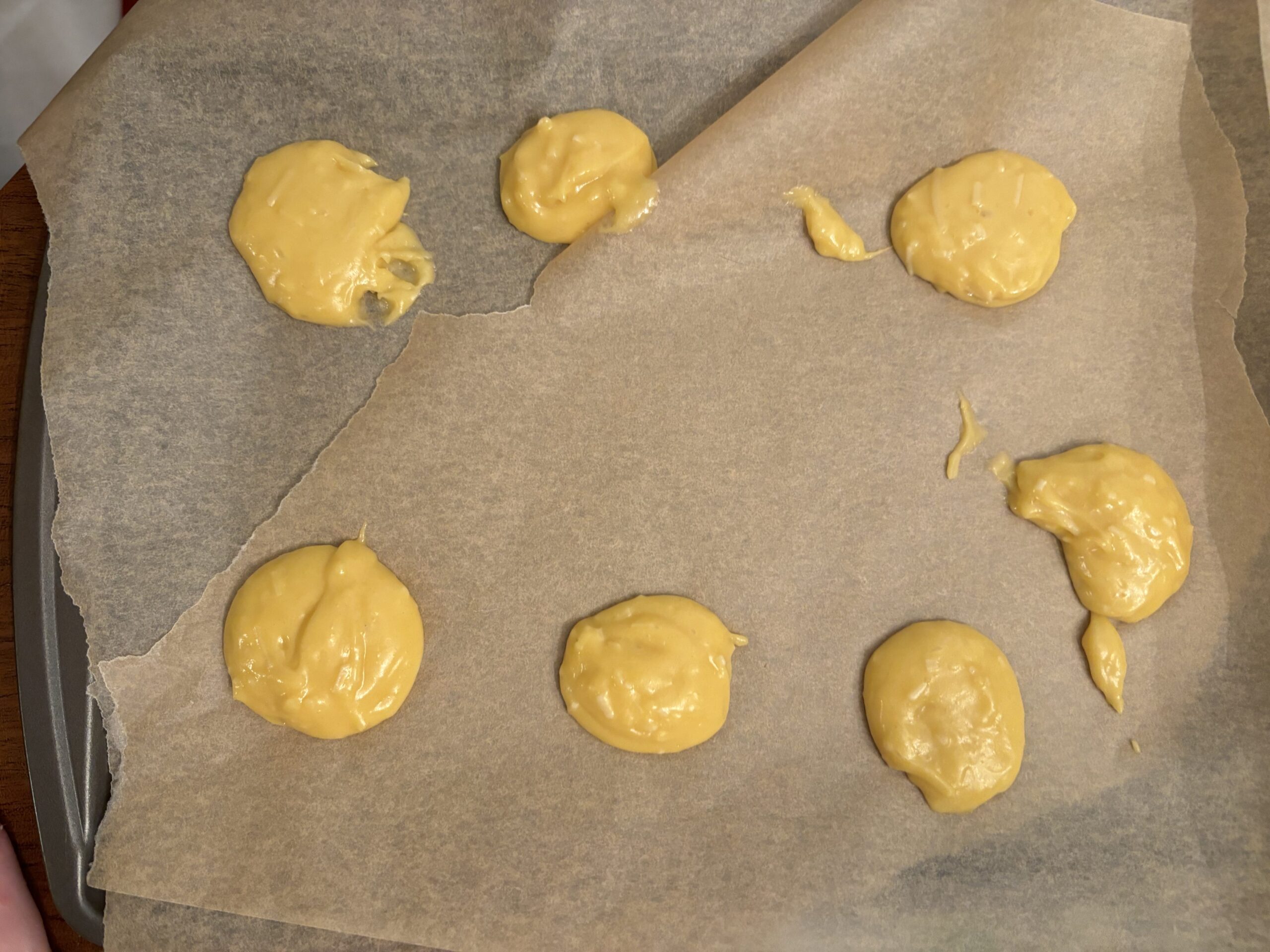
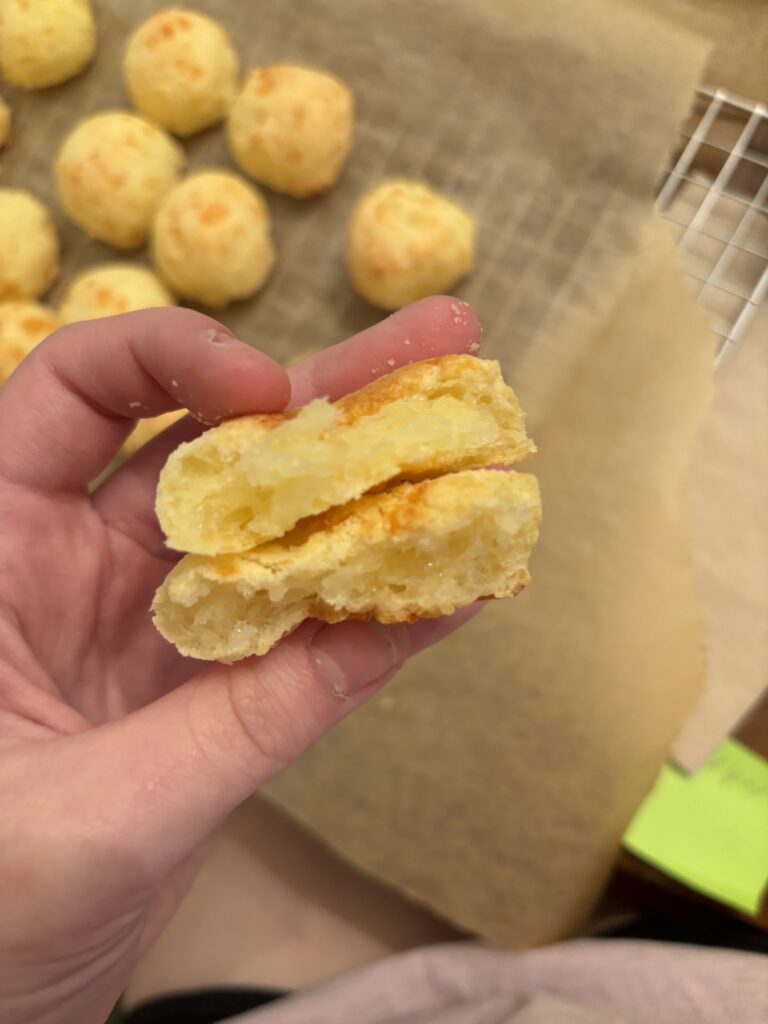
And now for the Pão de Queijo…
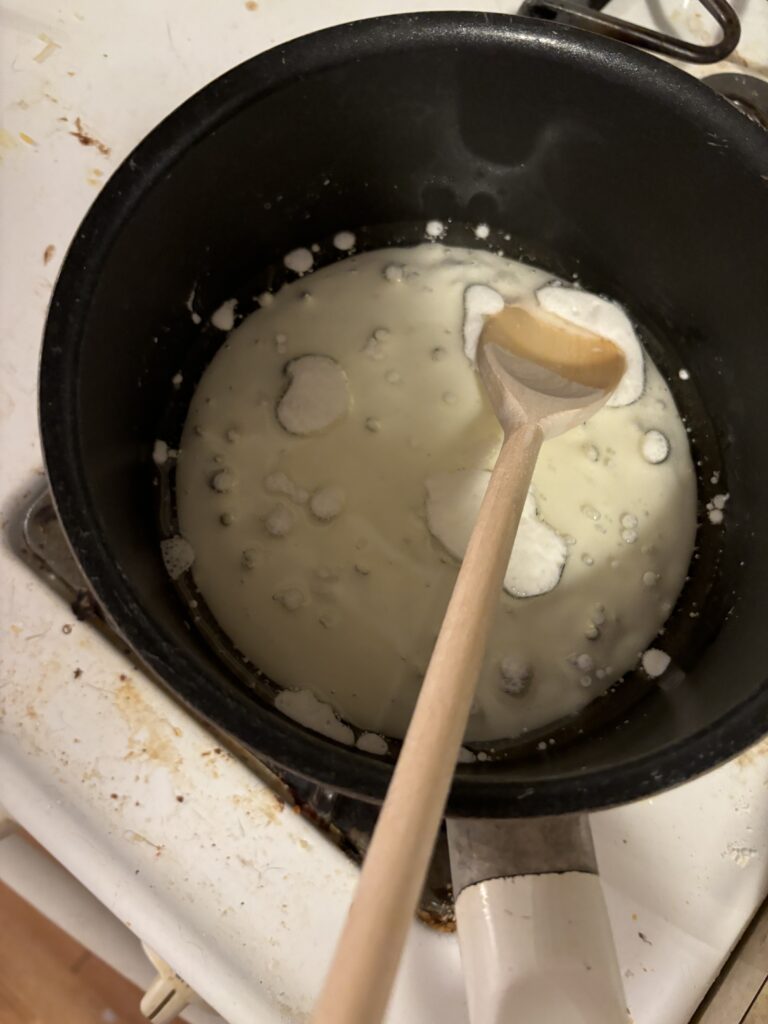
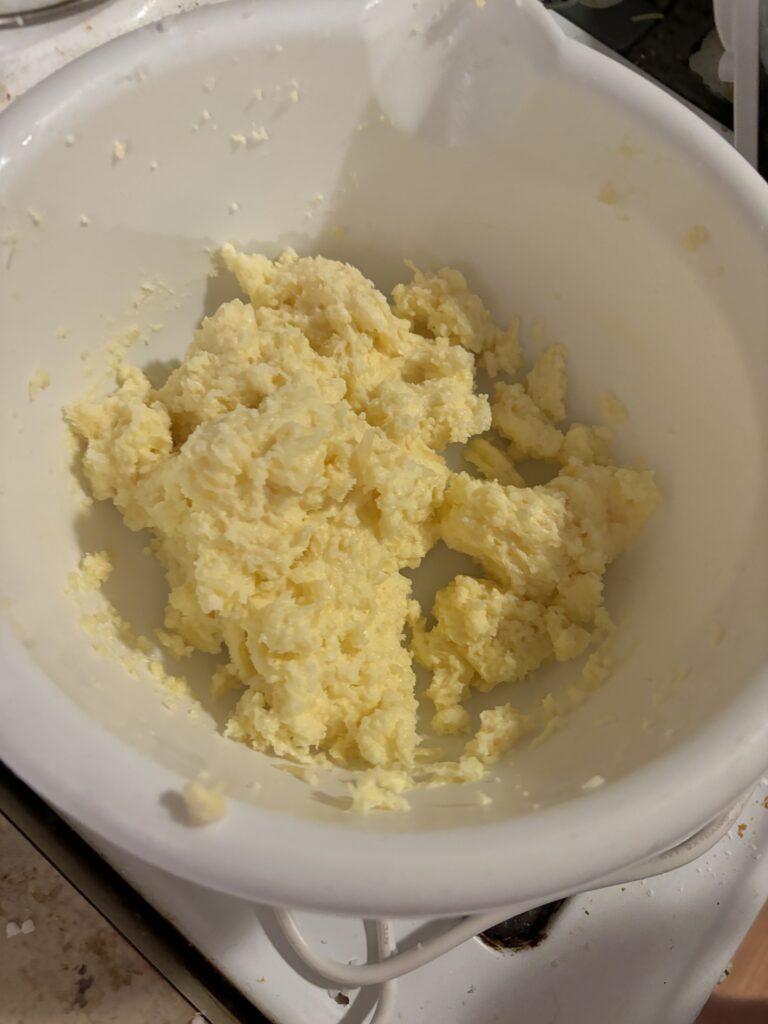
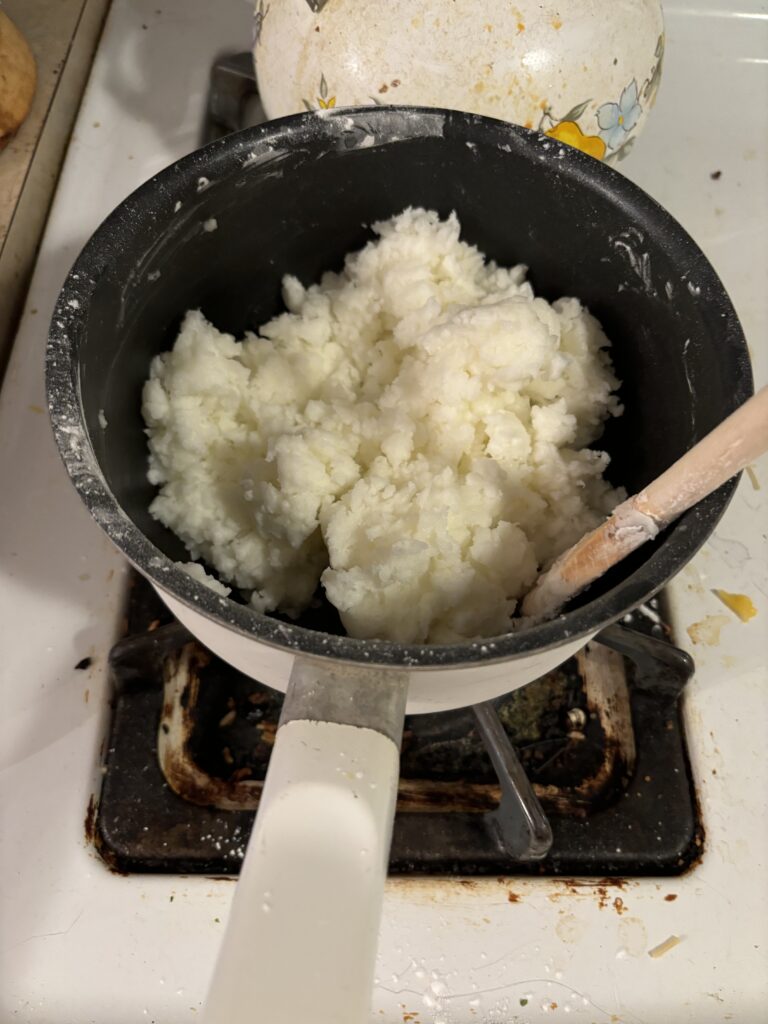
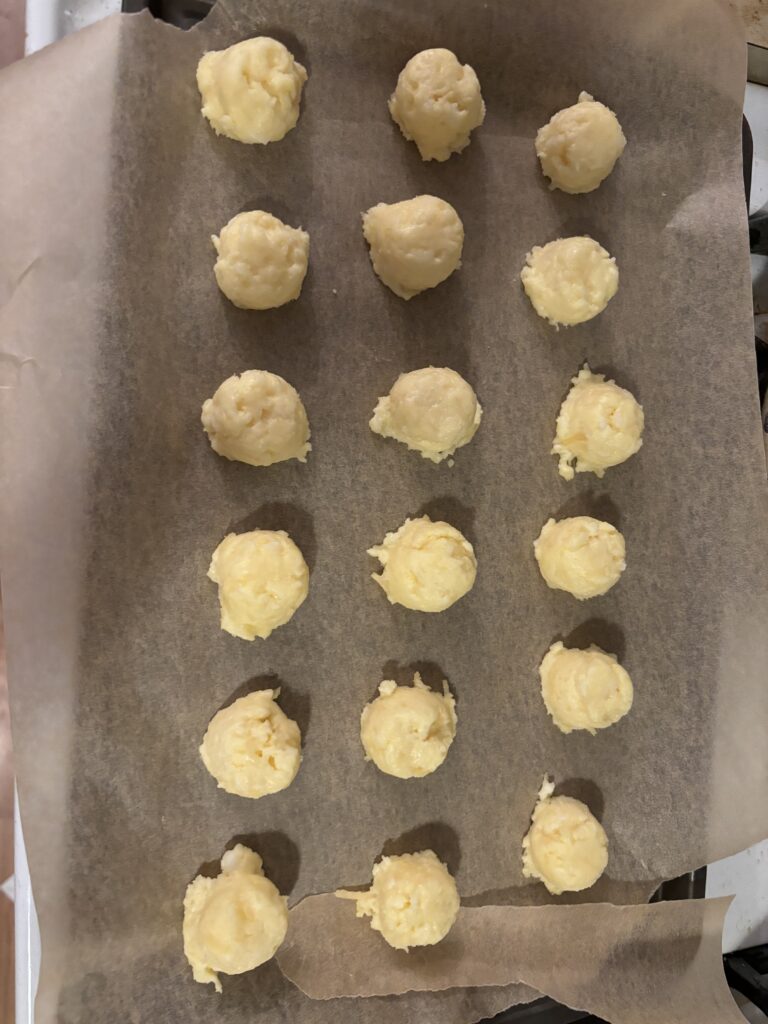
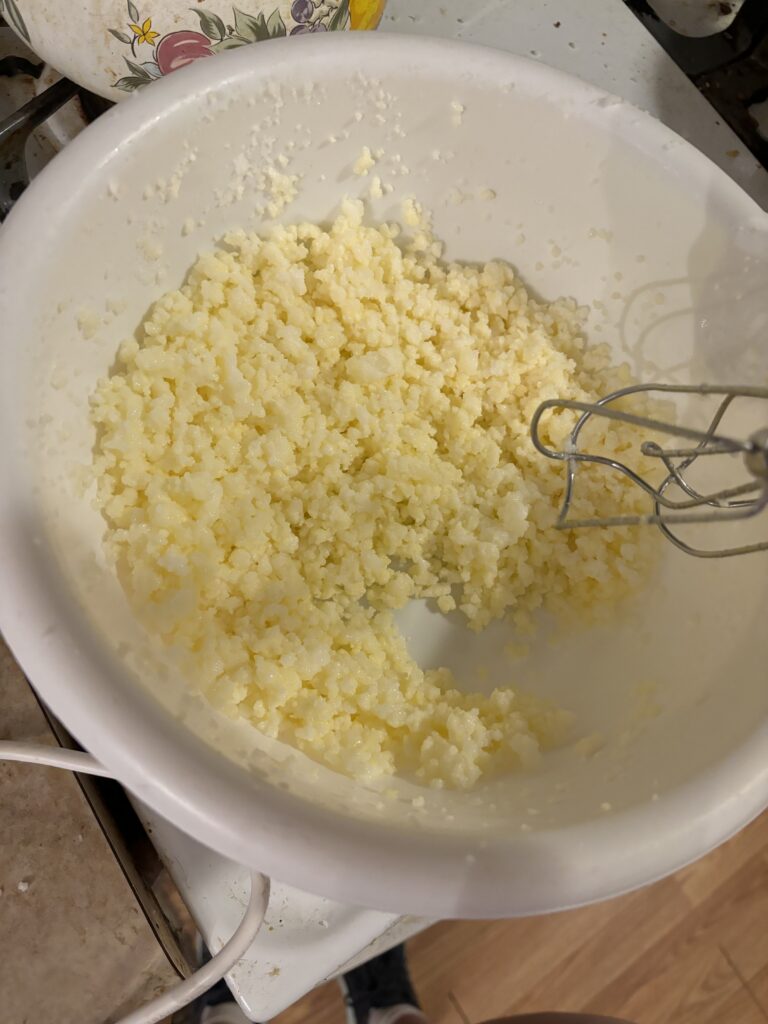
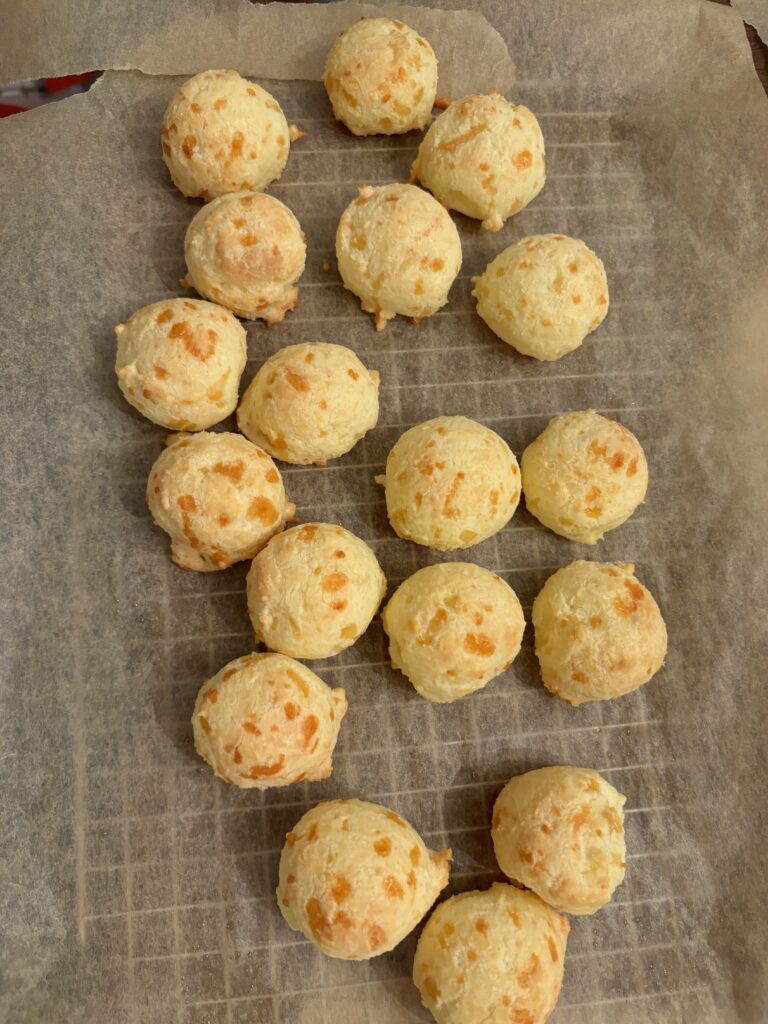
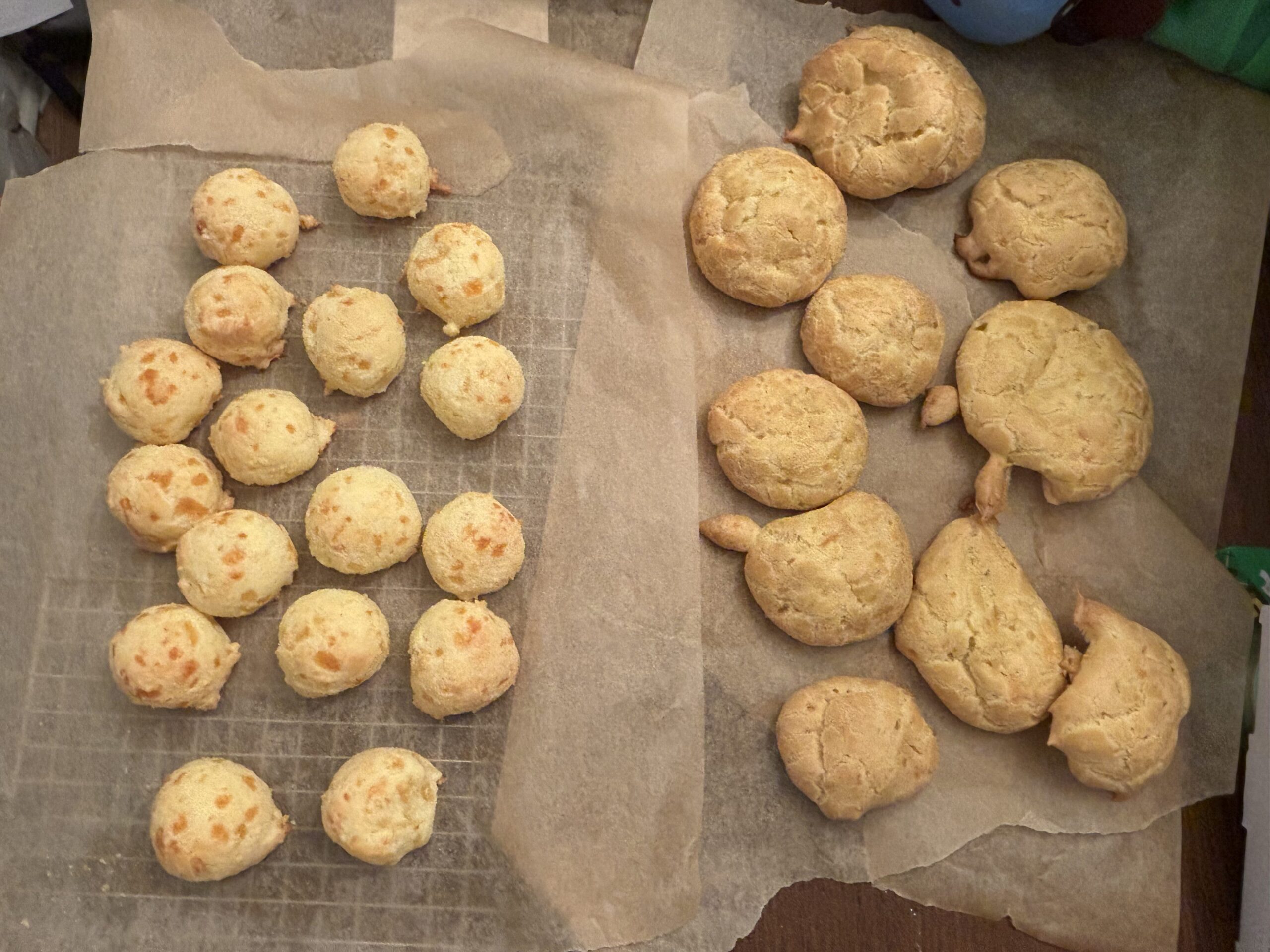
The puffs side by side… (Brazilian cheese puffs on the left, classic on the right)
Questions (In order of how I answered them)
Why did the dough need to “cool down” before adding the eggs?
The dough needs to “cool down” before the eggs were added in order to not “cook” the eggs before they were put in the oven. If the dough was warm and hot, then the eggs could cook and, I’m not sure if ‘harden’ is the word, but the egg’s molecular structure would change and we needed the eggs to keep the structure the way it was out of the shell in order to mix it into the flour and dough batch. If the eggs were cooked, then the dough wouldn’t have turned into that liquid, stretchy, consistency like we saw in the classic dough. I’m just imagining mixing what looks like scrambled eggs into the flour. Eggs are crucial in creating the texture we need in both of the recipes, adding extra water into the recipe as well. We need the dough to be cool long enough so we can do everything else we need to with it and mixing in the eggs before we cook the eggs in the oven. The eggs provided the structure and stability the dough needed (thank you to thekitchn for reminding me the correct words that have temporarily left my brain to describe this) that would most likely be removed if the eggs had been cooked immediately being mixed into the warm dough. According to AI when I looked up “what do eggs in baking do” to help me answer the first question (of course I am answering these in reverse) and happeyegg.com, eggs also act as a “leavening agent” and “help batters rise”, which might also attribute to the puffs rising.
What made these puffs “rise”?
I really want to say that it is from a combination of the water in the dough (obtained from the eggs and other liquids in each dough) and the heat of the oven. There wasn’t any yeast for the dough balls to rise, so we got to see how, without the yeast, the dough was still able to rise using the steam in the dough. The steam was able to rise in the gluten matrix formed by the different flour types. The flour I used in the first recipe is also used to make bread, and as we have seen in the past, has a history of producing those larger air pockets. So, it makes sense that the combination of the water from the steam and the gluten matrix would yield bigger air pockets and rise. Looking online, tapioca flour has a history of being used for pastries and is used to make recipies it’s used in crispier, chewier, and/or thicker (i.e goodness.com). I said in my video that I thought tapioca flour was used to make boba balls, which I think are also chewy (I’ve honestly only had boba tea once). Considering what tapioca flour is used for, I feel like the gluten matrix would be much smaller, and thus the air pockets and holes were smaller like I saw. (It also doesn’t help that the sizes were different. I chose to do the smaller dough balls for the cheese puffs to also help see the different between the two batches). Like we saw a few weeks ago where we had to do that tray of water underneath the ciabatta bread in the oven, I really feel like the steam played an important role in making the puffs “rise”. The dough wasn’t left out to rise, there wasn’t any yeast. All the dough had in the oven was the gluten web, heat, eggs, and steam produced from the liquids and water content. We know steam plays a role in causing pockets to fill and rise and really, I think it was the steam that did this. We even had to pierce the first batch to release the steam out of the puffs, which further proves my point.
What about this recipe ensured that the puff would bake with a firm exterior and a hollow interior?
My first thought for this was probably the steam, then wanting to not repeat myself, I tried looking about eggs. Then I wondered about the dough, the cheese (which couldn’t have played a big part as the cheese was optional for one recipe), and the flour. Despite having different ingredients for each recipe (although similar), the big constant between the two recipies was the assembling process of cooking and mixing and putting stuff in the oven. The last recipe wanted us to flip and rotate the trays in the oven midway through the cooking process. Both recipies required that the temperature of the oven be decreased to 350 degrees at some point in the process of the trays being in the oven. I think mentioned in the video something similar to “flash freezing” the dough in terms of immediately reducing the heat as soon as the tray went in the oven for the cheese puffs maybe correlating to the texture. I think the heat and temperature of the oven cause the puff to have a firm exterior yet hollow interior. I theorize that before the heat was able to get past the outer later of the puffs and cook the insides, the oven temperature was lowered. The lower temperature prevented the interior of the puffs from being baked to the same temperature as the exterior. The outside experienced more of the heat and would be baked sooner than the interior would be. I wonder if the sudden change in temperature also played a role in firming up the exterior vs the interior. Yes there were air pockets that expanded inside the puffs, which played a part, but I think the heat also played a role here, even more than the water did with it’s steam in raising the puffs, working with the steam to create the firm exterior and hollow interior I saw in the puffs. It’s hard to explain what I mean so I can only just hope anyone who reads this understands!