A stir fry’s signature outcomes depend on the ingredients inside of it. A signature chicken and rice stir fry tends to have soft but crispy vegetables, lightly browned but not burnt chicken, and soft rice.
Intended Serving Size: 1 person
Ingredients:
- 1 tablespoon of CANOLA oil
- ½ pound of boneless, skinless, chicken breast
- 1 tsp garlic powder
- A tbsp of sugar
- 1/2 cup of water
- 1 pkg (16 oz) frozen stir-fry vegetables
- 1 ounce soy sauce
- ⅛ tsp crushed cayenne red pepper
- 1 tablespoon of cornstarch
- 1 tsp of rosemary
- 1 cup of rice
Materials
- Skillet (at least 6-7 inches in diameter)
- Wooden spoon
- Rubber spatula
- Small/Medium sized bowl
- Measuring spoons
- Forks
- Plates
- Bowls
- 2-4 Quart sauce pan
- Measuring cups
Instructions:
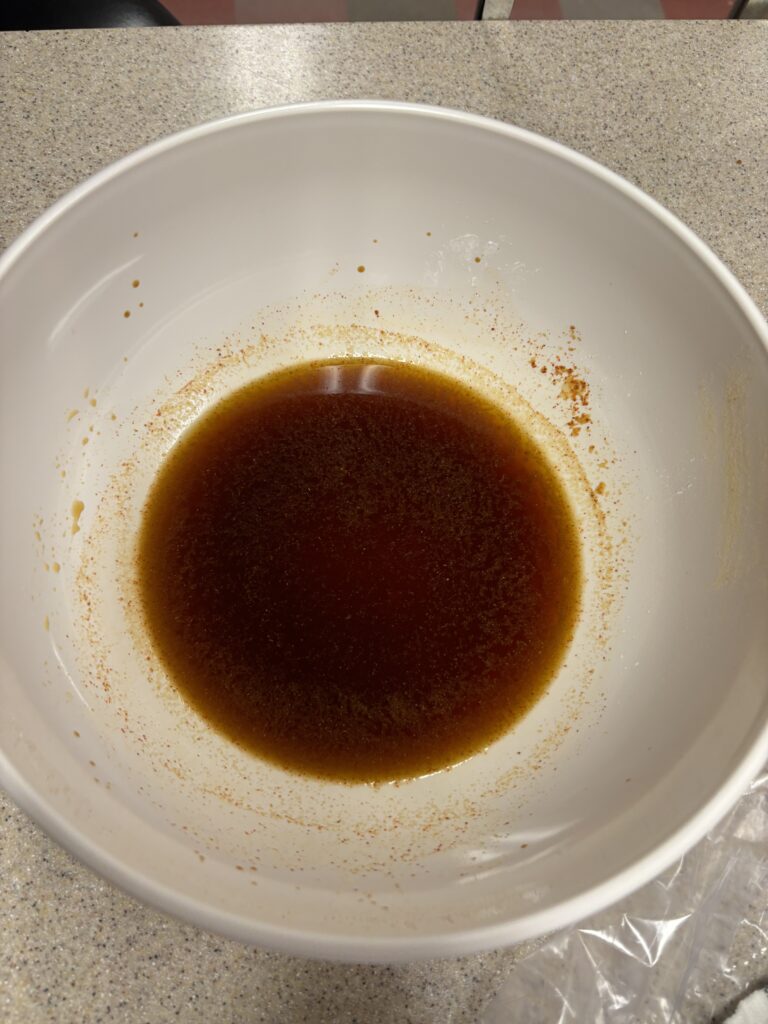
- In a small bowl, mix together the garlic powder, soy sauce, sugar, cayenne pepper, water, and cornstarch all together until there is a smooth paste, adding more water or starch as needed.
2. Chop up the rosemary (if you are using it) but don’t add it yet.
3. Slice the chicken into small ½ inch sized pieces
4. In a small pot, begin to cook the rice.
5. Add oil to a skillet and heat it over medium heat. Once warm, add the chicken and cook until browned on all sides. Once browned, remove chicken from the skillet.
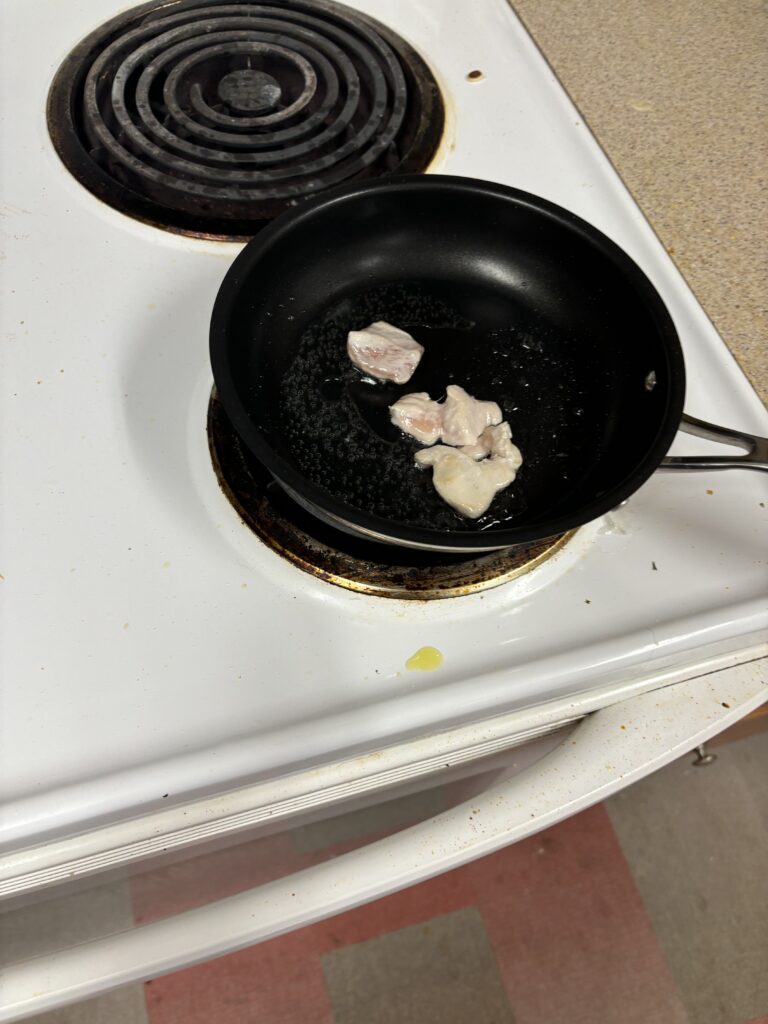
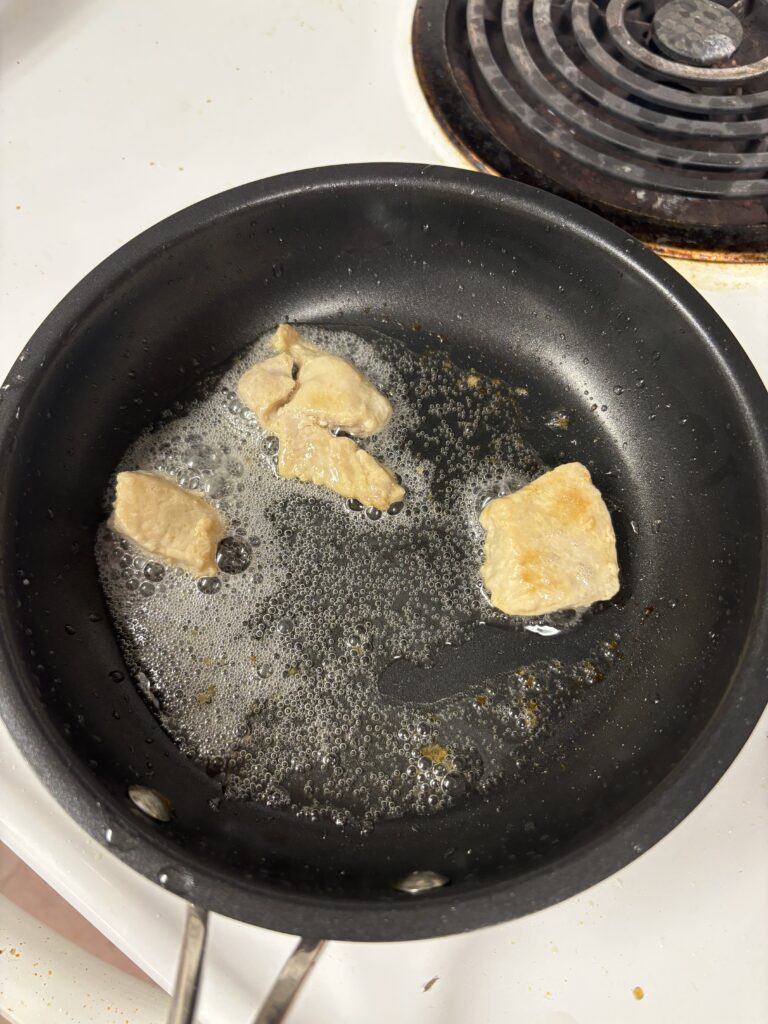
Browning due to maillard browning
The browning of the chicken is a result of maillard browning caused by a maillard reaction. The reaction occurs when there is a combination reaction of sugar, amino acids, and heat are all being mixed together at once. As the chicken cooks, the glucose rings from the glycogen sugars inside of the chicken break open. This happens at the same time the heat from the skillet is drying out the amino acids (protein) in the chicken. After this, the molecules inside of the chicken start to rearrange to form “Amadori” compounds, creating the brown colored molecules and the brown colored top you observe the chicken change into.
6. Add the vegetables to the skillet, adding more oil if needed, and cook them until the color is rejuvenated and brighter by stirring the veggies, around 3 minutes.
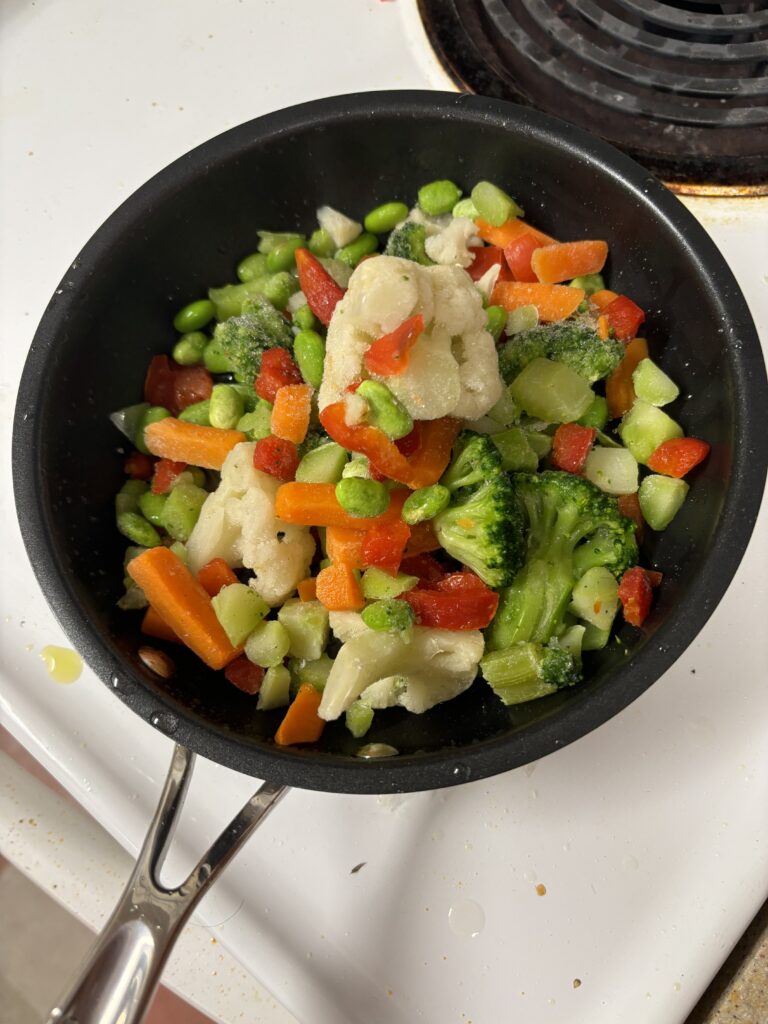
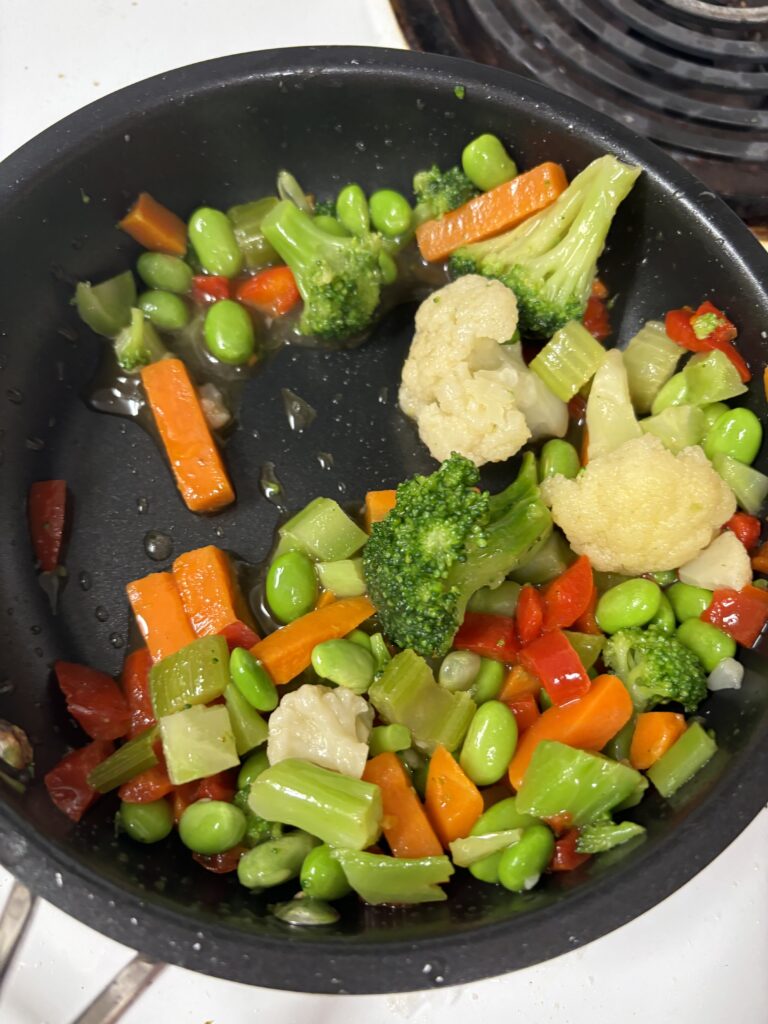
7. Once the vegetables are softer and also brighter (from the oil or cooking, I’m not fully sure), add in rosemary and after a minute, add the chicken.
Veggies Getting Greener/Soft
As vegetables are exposed to heat, cell membrane begins to get damage and disintegrate, causing the plant to lose the water stored in the vacuole and begin to “deflate” and become “flaccid”. Despite this, the cell wall is still intact, giving the plant it’s soft and chewy texture after it’s cooked. At a higher, boiling temperature, the chlorophyll pigment begins to denature and separate. The pigment separates from the hydrophobic tail/anchor in the chloroplast, letting chlorophyll into the cell tissue. The polar structure of the cell would then “slip” out of the cell and into the water, turning the water a light, musty, green color (depending on the plant, in this case I’m referring to broccoli). The water will naturally be acidic either from whats in the tap water or from the juices inside the plant, causing the chlorophyll to lose it’s magnesium, which thus causes the plant to become more brown the longer it sits in the acidic water. Before the plant turns brown, it turns greener as a result of the chlorophyll pigment being cleaved away from it’s hydrophobic tail. That is why vegetables seem to have more of a “rejuvenated color” after you cook or steam it for a bit (although steaming helps retain more of the pigment). The molecules hemicellulose and pectin help give the plant’s cell wall it’s firm texture for up to 140 degrees farenheight before the molecules start to break down.
8. Give the stir fry sauce an extra stir before adding it to the pan. Stir the pan and allow the sauce to come to a simmer where it should hopefully become thick and glossy. Keep cooking for an extra minute or so until you determine the stir fry is done.
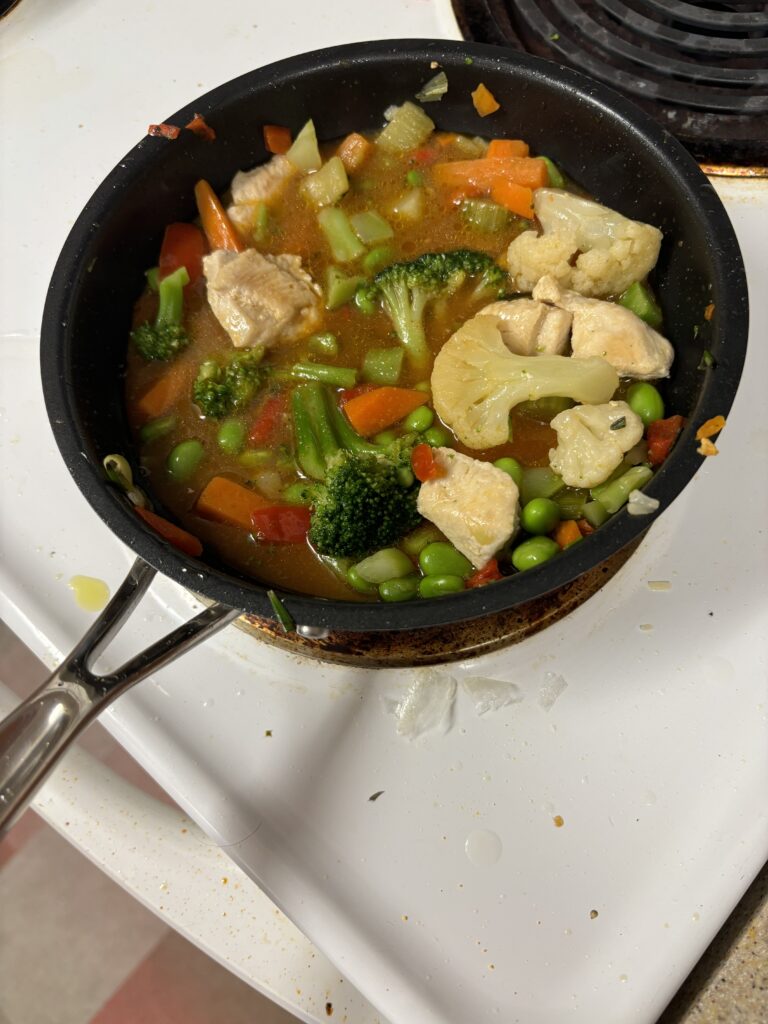
9. Once the rice is done, lay out the finished rice on a plate and put the finished stir fry on top of it.
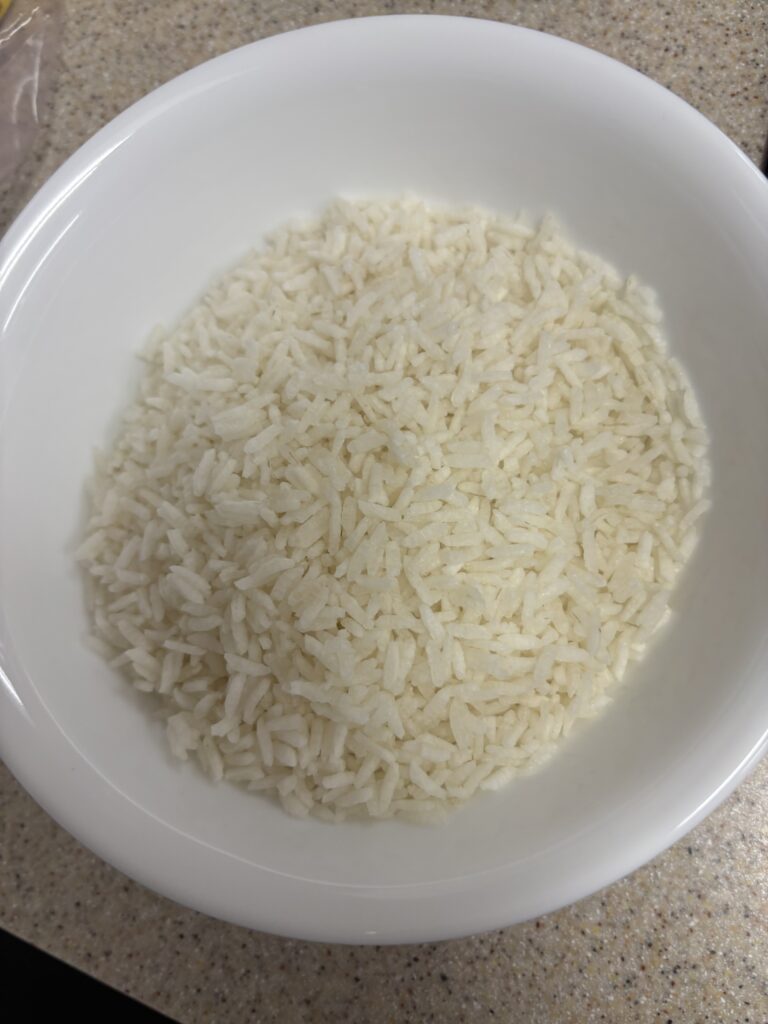
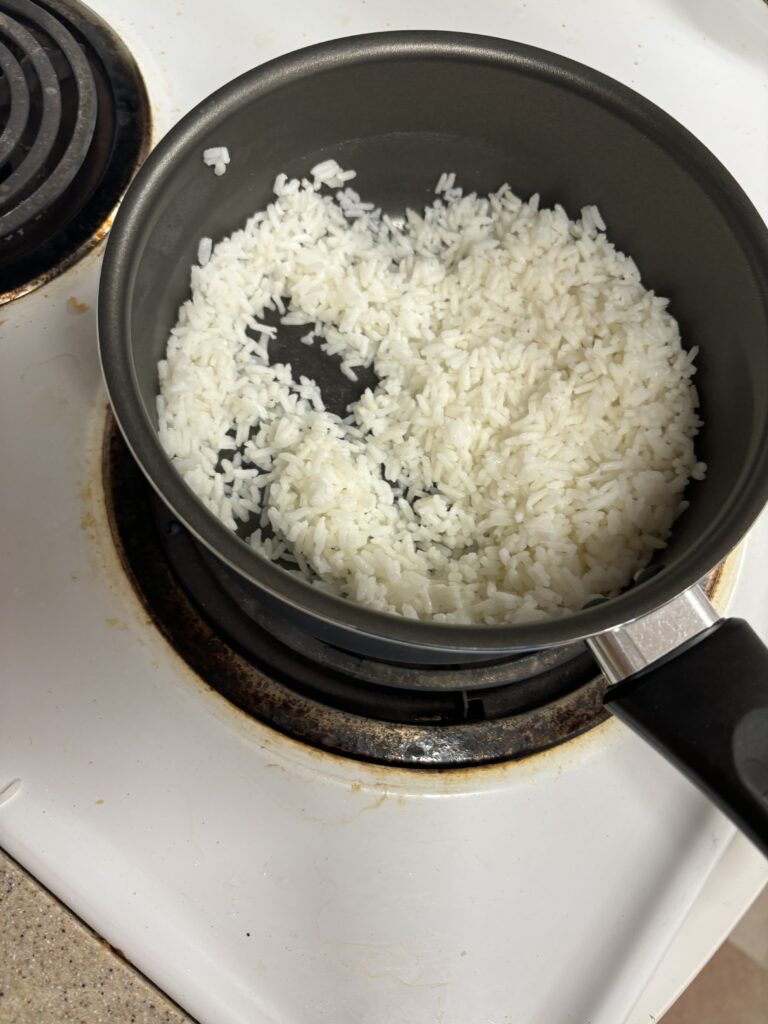
The rice before and after being placed in boiling water:
MinuteMaid Rice
The rice I used in this recipe was MinuteMaid rice, notorious for being able to make rice quickly. Rice naturally on it’s own takes a white to soften up as it first requires boiling water to swell up the starch molecules. Once the starch molecules get mixed with water, a gel starts to form, increasing not only the size of each individual grain of rice, but also making the rice extremely soft. As the rice is left out, water begines to evaporate out of the rice, reforming the starch-starch hydrogen bonds and squeezing out any remaing water molecules. As the water is squeezed out, the gelled rice hardens (this process is called retrogradation). In order for the MinuteMaid rice to be able to quickly soften, it had to have gone through the gelification process at least once so there are already some water molecules inside the rice for the other boiling water molecules to bind to and quickly reform the gel matrix and re-soften the rice. The rice had to have been precooked already before being put in the MinuteMaid box, otherwise how else would it be able to soften so quickly in just a couple of minutes, which is what MinuteMaid’s brand is built on. The type of starch that is the most abundant in the long grain rice is amylose. Because amylose starch consists of long chains, the retrogradation process moves a lot quicker as there aren’t any branches for water molecules to squeeze through like in amylopectin (sciencedirect.com).
The Final Project
Final Video
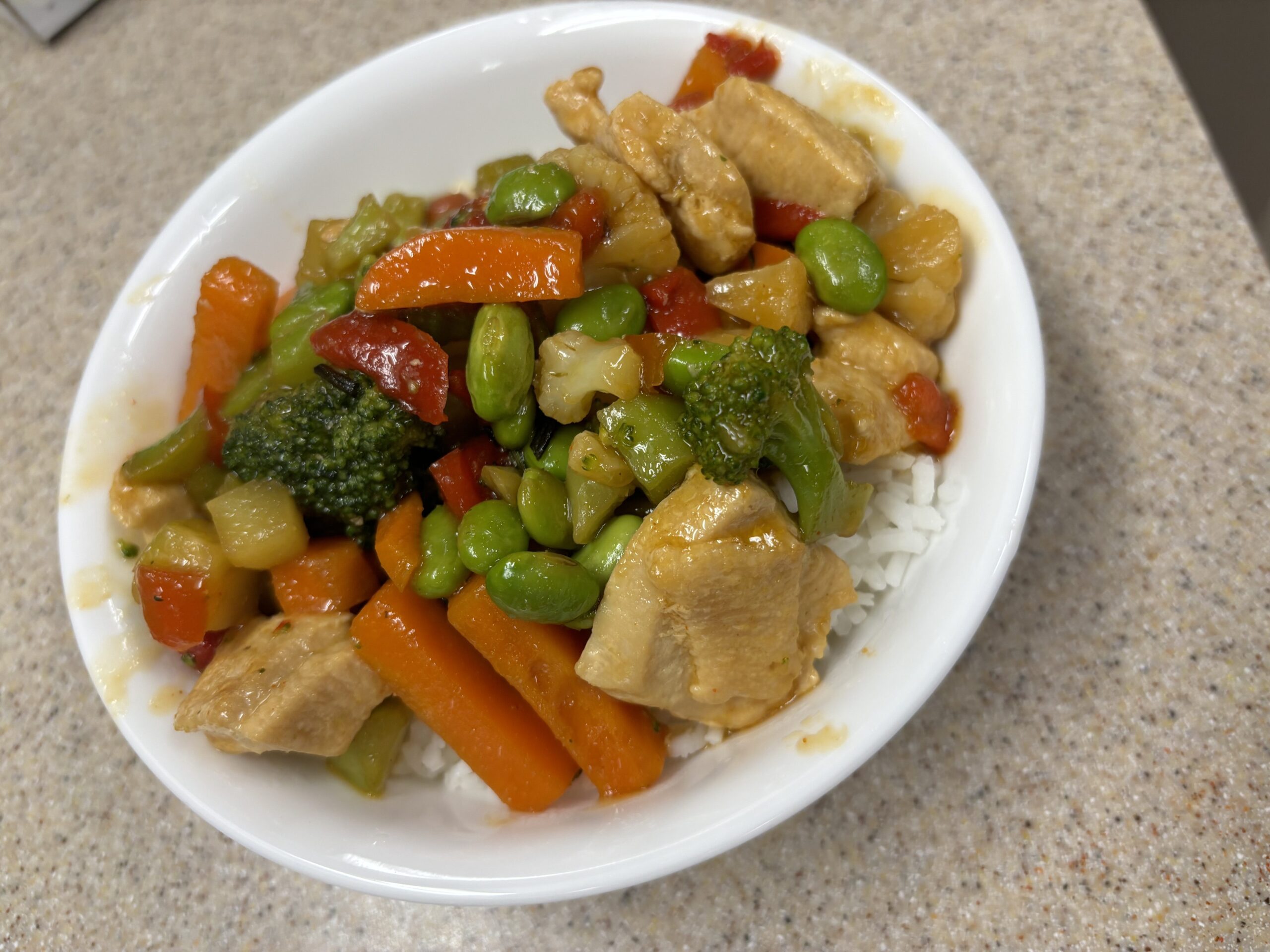
In case I didn’t specify enough in the video, I tried to show that the rice was soft, the chicken was brown, and that the vegetables were firm but not mushy as I was able to easily grab a piece of carrot with my fork. The chicken was also not completely dry all the way through it, an outcome I was hoping for along with the rice not having any hard pieces from retrograding.
** Please note! Rosemary is still in this recipe because I had already finished making the stir fry before I saw the comment to remove it! I felt that the amount I added was so small that it didn’t really detract from the flavor of the stir fry.
References: