Because I have a busy week of performing and traveling, I decided to bake my cookies early in the week. After amusing the customer service people at ShopRite with finding the butter-flavored shortening (which has 3.5 grams instead of 3 grams of saturated fat per tablespoon as mentioned on the canvas instructions page.
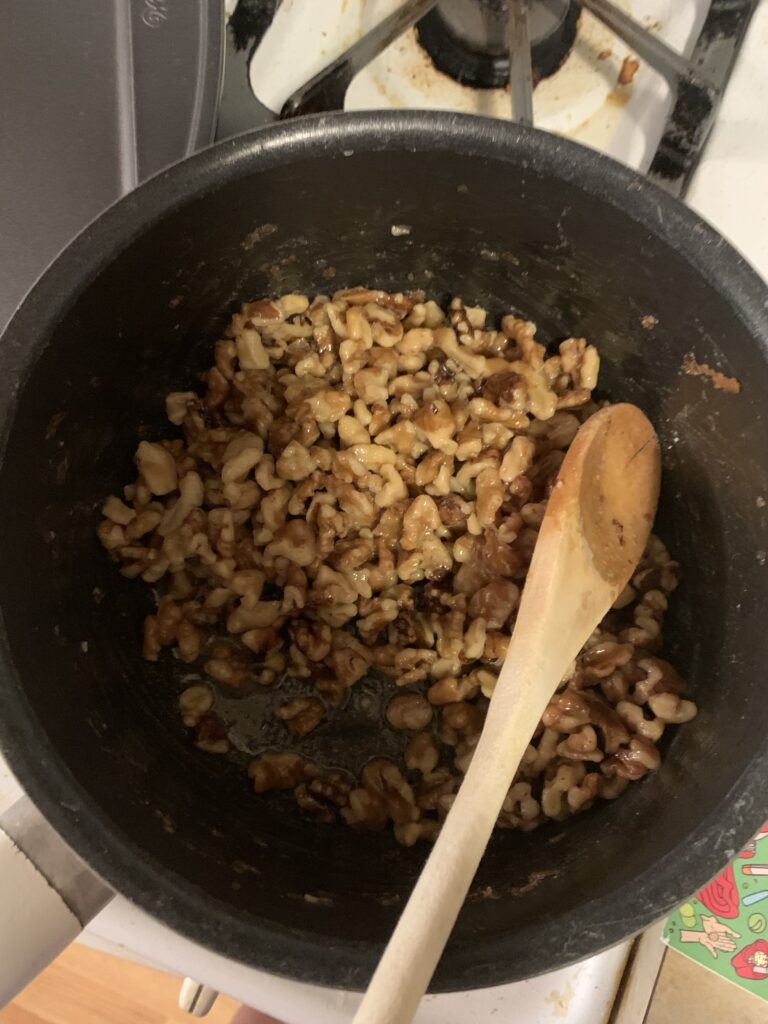
Based on the shared interpretation my dad and I had, we decided to mix both the butter and the roasted nuts at the same time and then tried our best to evenly split them up, unable to get 2 individual cups of 120 grams of walnuts on their own.
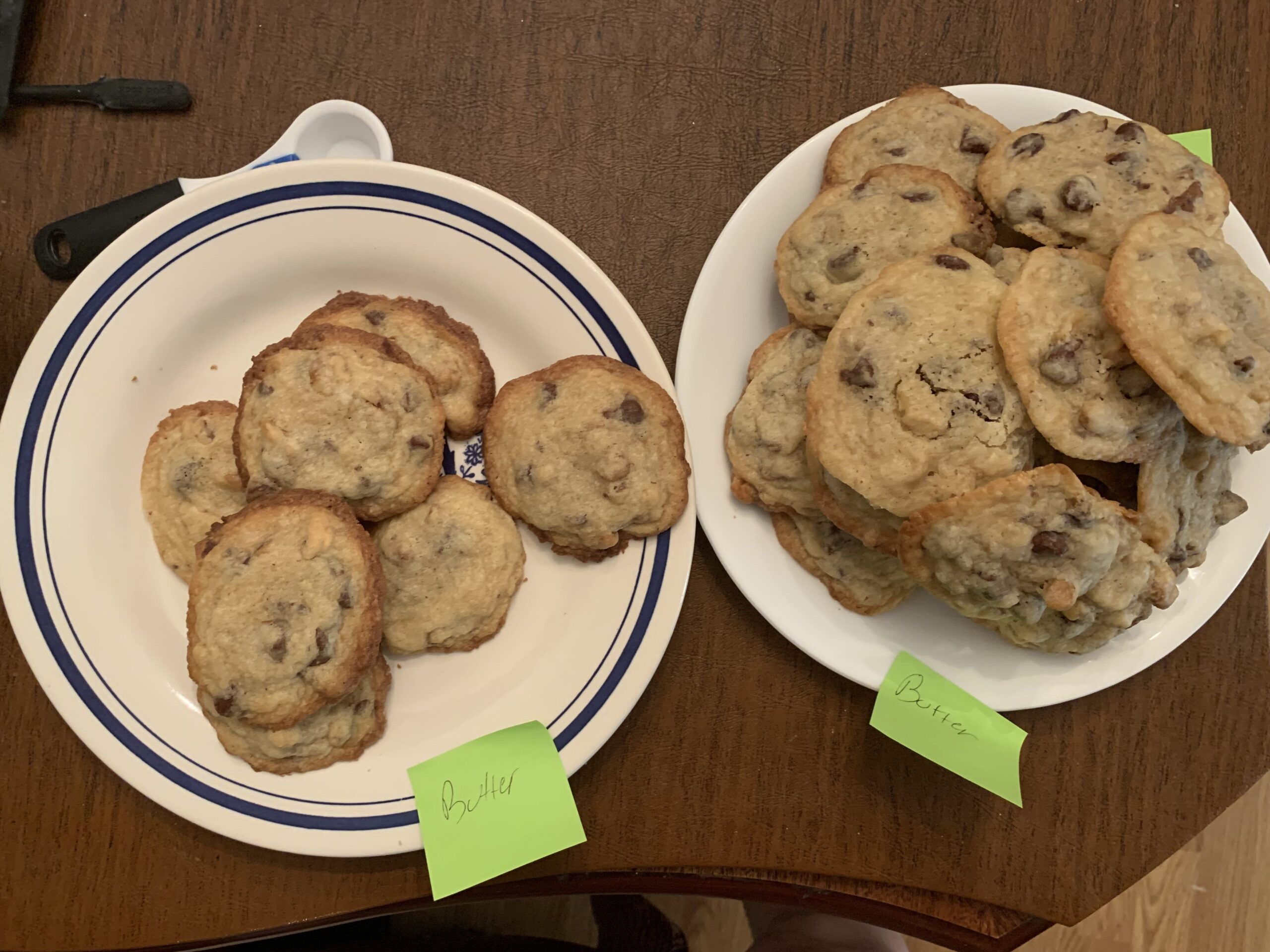
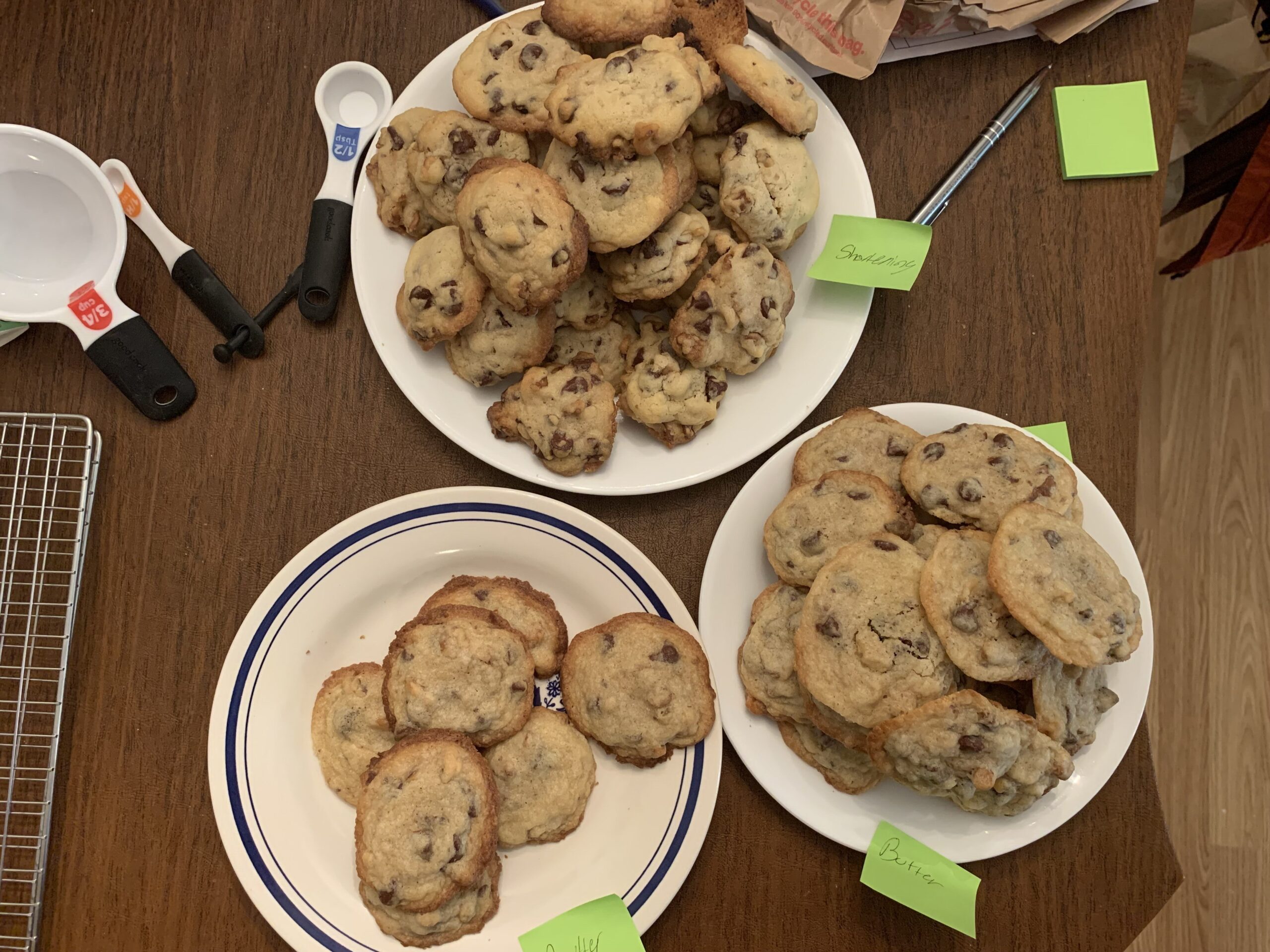
Cookies with just butter:
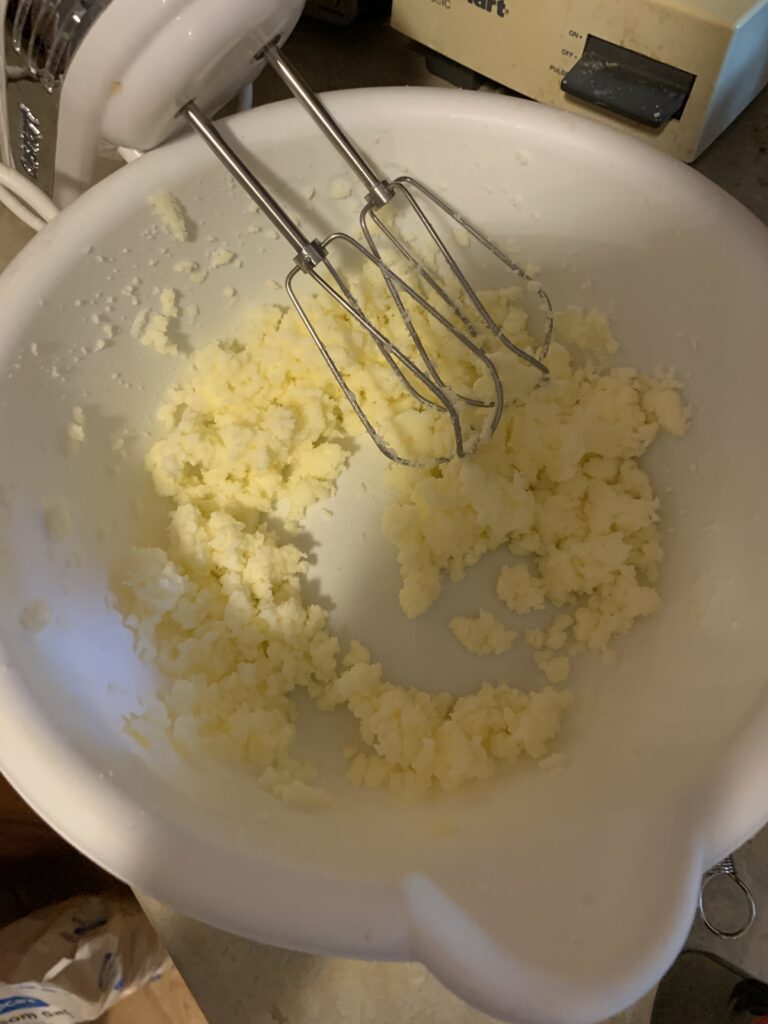
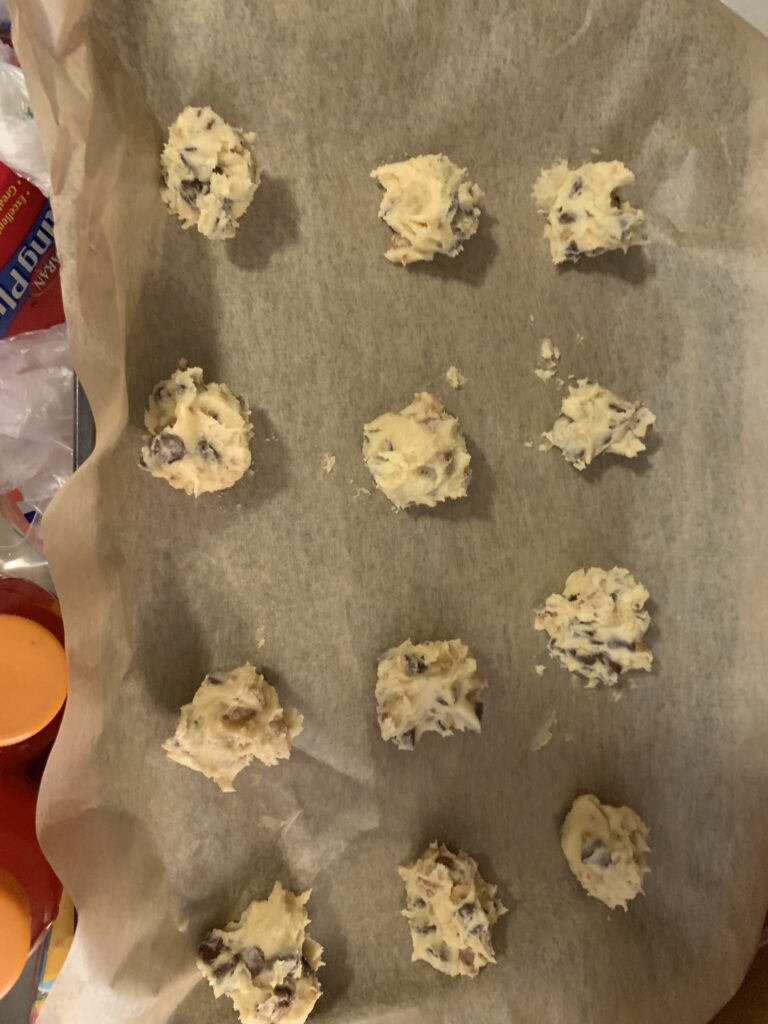
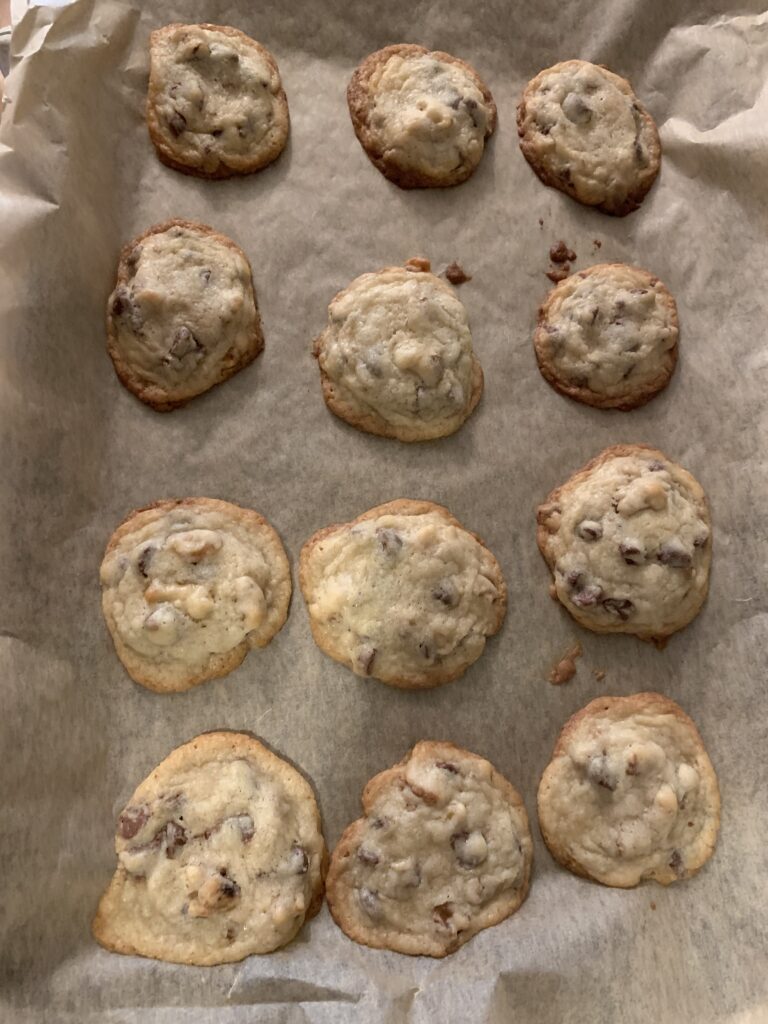
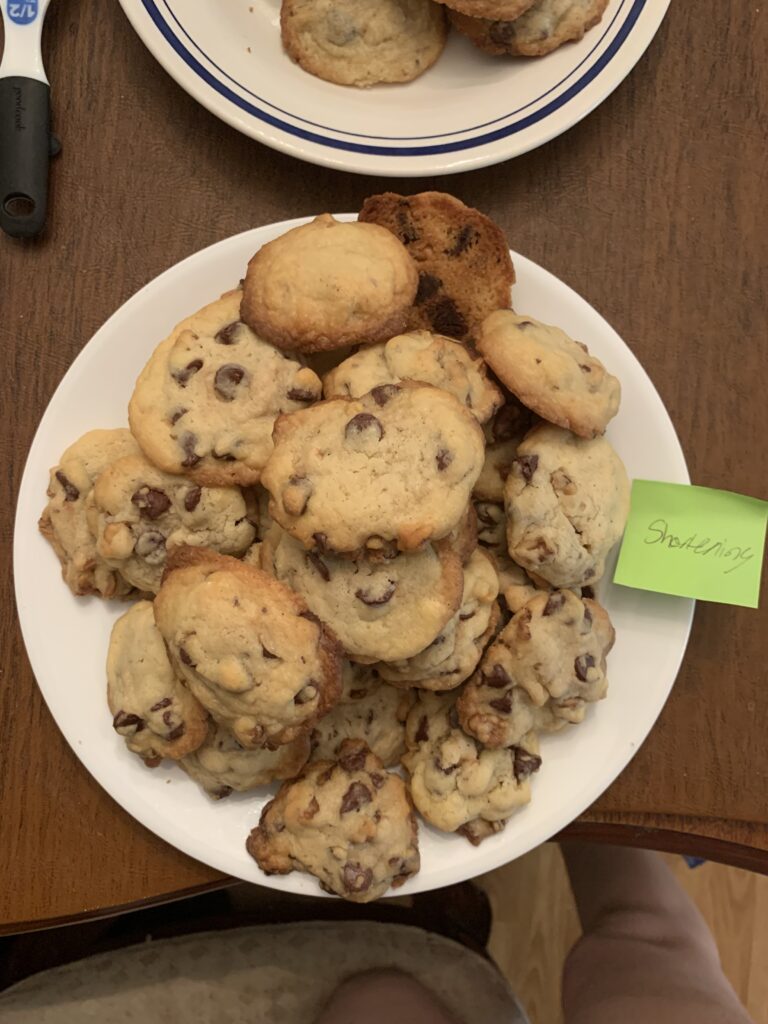
Cookies with Butter-Flavored Shortening:
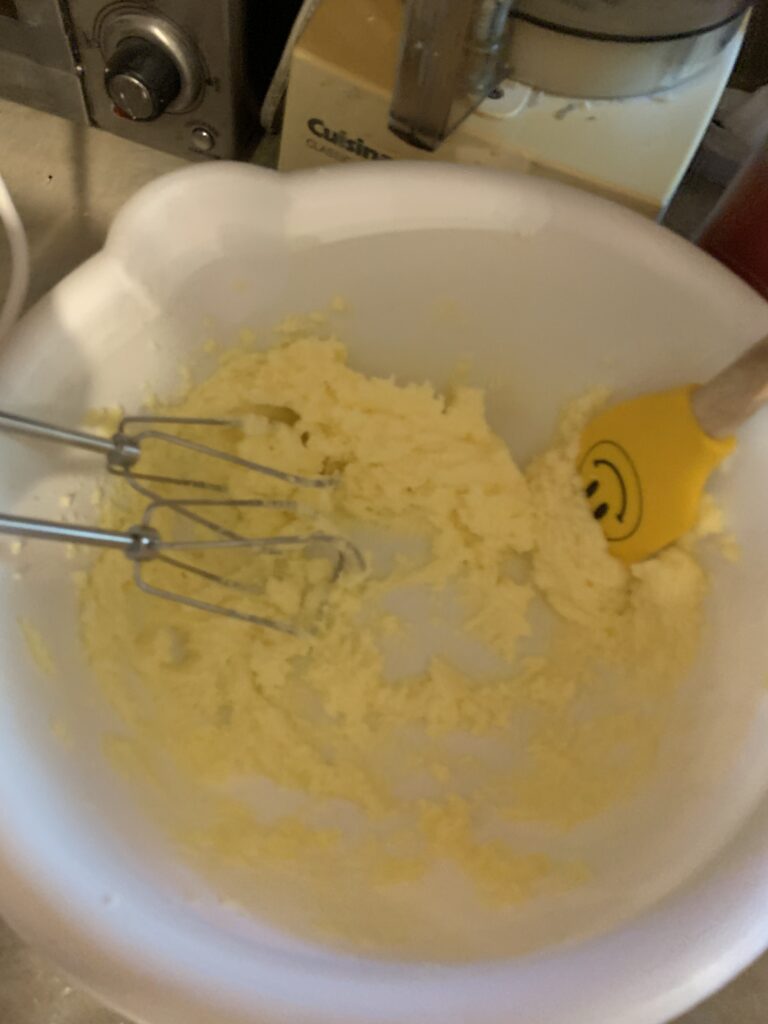
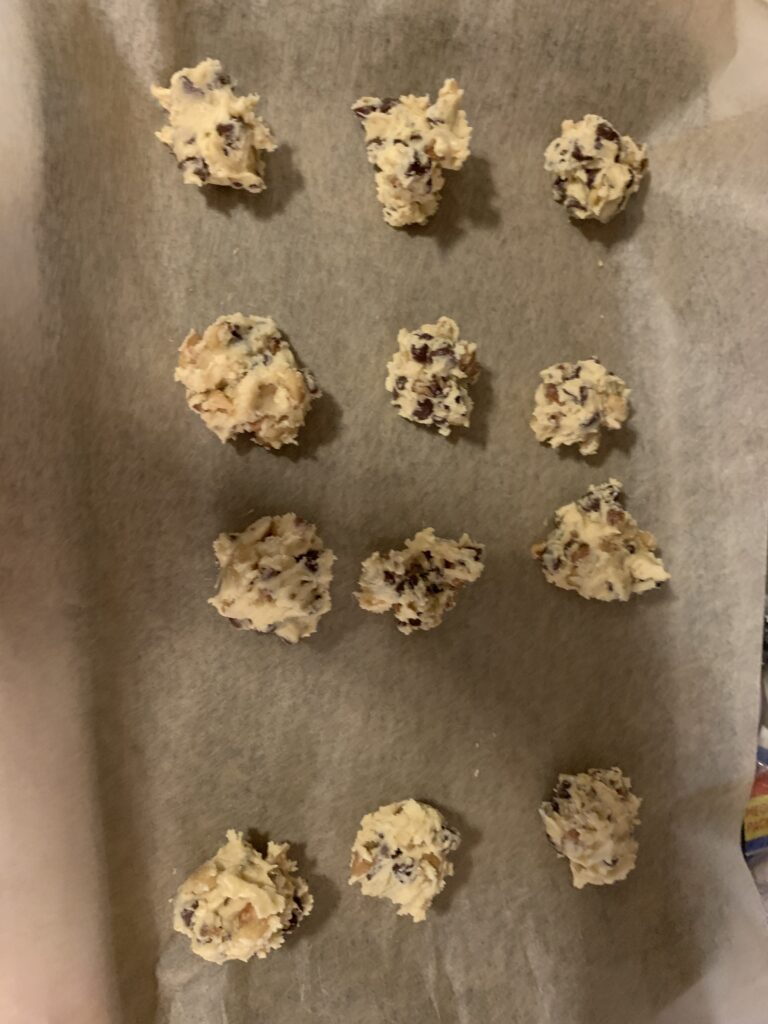
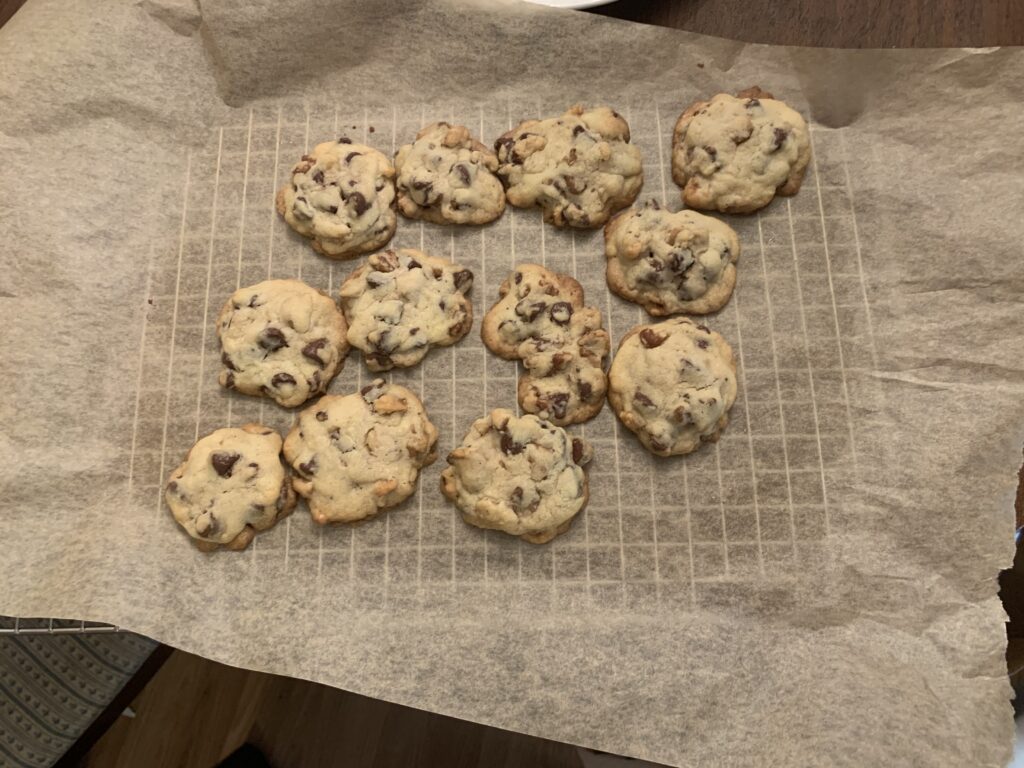
Final Photos:
And now for an awkward video reflection…
Which melts more readily? Butter or shortening? Why (give a chemical explanation)?
Straight out of the container with no refridgerator, shortening would be easier to manipulate. The “do not refrigerate” label implies that it would be much harder to blend if it is kept in the fridge. On Crisco’s product page, there is a disclaimer about heating the product too quickly and it catching fire, which mainly means the shortening should idealy just be kept on the shelf and not in a cool place. Butter takes a while for it to get soft. It needs to be kept in the fridge to not go bad, and heat is required for it to start melting. At the store, butter is kept in the cooler. It will melt if exposed to heat due to containing approximately 15% water. In a time crunch, it is easier to just grab the shortening and scoop it instead of having to wait for the butter to melt, either in the microwave or just from sitting out. That 15% is enough to make it so butter is solid enough to stay together when refridgerated and cooled, but is not enough to keep it solid and together once exposed to warm air. If you put butter in a pot on the stove, it will easily melt because of the evaporation of the water and the water matrix that is spread throughout the butter. Even if caught on fire, butter will melt and I’m guessing the water will put it out. Shortening can “catch fire if overheated” according to the Crisco product page. I’m imagining that if I put a tsp of shortening in a pot like I would with butter, it wouldn’t just melt. It would also burn. According to Crisco, you shouldn’t even add water in case of a fire, you should just cover the pot and wait for the pot to go to room temperature.
Butter has fat that contains water, making it easy to melt when exposed to heat. Shortening has oil, which is notoriously hydrophobic. The recipe even says that shortening melts at a higher temperature. I think it really comes down to the water content that explains this. Butter having that high water content allows for it to easily melt in comparison to shortening simply due to the fact that the structure of butter is heavily reliant on water to the point where its made up of 15% of water. As water evaporates, the structure falls apart. Shortening ideally should take longer to melt as it’s not confined to the melting temperature of water to determine when the structure falls apart because it contains less than 1% of water.
Butter is a fat that contains ~15% water, compared to or shortening (or oil) which contains < 1% water. Read about the effects of this water content at this page (Water Activity and Cookie Softness) and then explain the textures of the two different types of cookies.
Due to butter being made up of 15% of water, the dough had more more water that was able to interact with the sugar molecules. This higher water content allowed for sugar molecules to be “tied up” and thus produced the soft and chewy texture I baked. The dough that had the shortening in it had less water, and the 10 tablespoons I added of it made a huge different. Without any water for the sugar molecules to bind to, the texture of the cookie was hard and crumbly. ‘Extra’ water was added into the recipe when I included the 10 tablespoons of butter. Besides this, the only water that was included in the recipe was in the 2 tablespoons of butter that coated the walnuts and whatever water content was in the egg. The ‘free’ water just sort of evaporate and made the cookie puff up.
What do you predict amount the amount of gluten formation in this recipe? Cite evidence from the recipe to support your conclusion.
I feel like there would be more gluten formation in the dough that had more butter in it. For one thing, it had a higher water content. The blurb before the recipe reads “Mixing fat with flour limits the gluten formation (since gluten formation requires water). We also know that fat is hydrophobic and non-polar – it is insoluble with water, hence mixing fat with flour coats the starch granules in fat and limits the access to water.” The recipe that contained the shortening had more fat in it because shortening contains 100% fat. From the water activity, we learn that approximately 15% of butter is made up from water. That extra 15% is crucial as it gives the recipe more water for the flour to mix with and make gluten with. We saw with the water activity that sugar binds to water molecules and that any remaining water molecules tend to “bulk up”. The recipe also mentions that in low protein flour, any leftover liquid nto sucked up by the protein will turn to steam and thus puff up the cookie. The all purpose flour I used had 3 grams of protein and was thus, low in protein. The shortening cookies did puff up a lot more than the butter cookies, but they were also harder because less water bonded to the flour. As butter had more water molecules to bind to both the flour and sugar molecules, I predict the cookies containing solely butter and not shortening had a higher level of gluten formation. Even if you ignore the fact that shortening is a fat and thus more hydrophobic than butter, there is still too little water in the shortening for the flour to bind with.