So this lab actually took me 2 attempts to complete.
Attempt #1
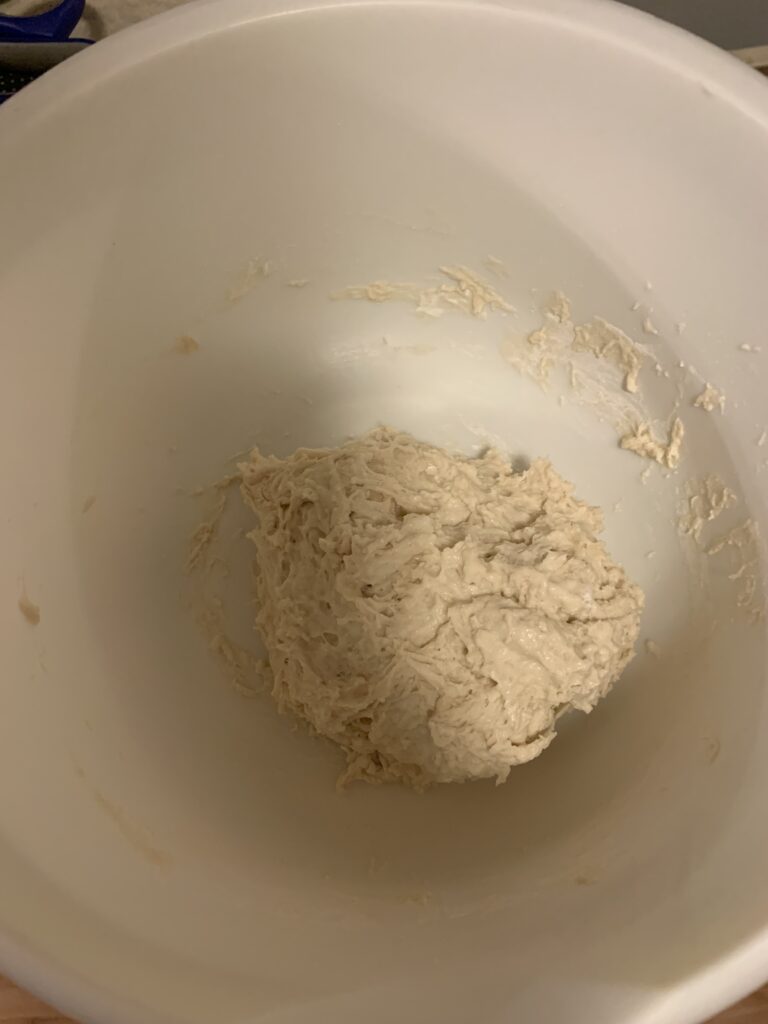
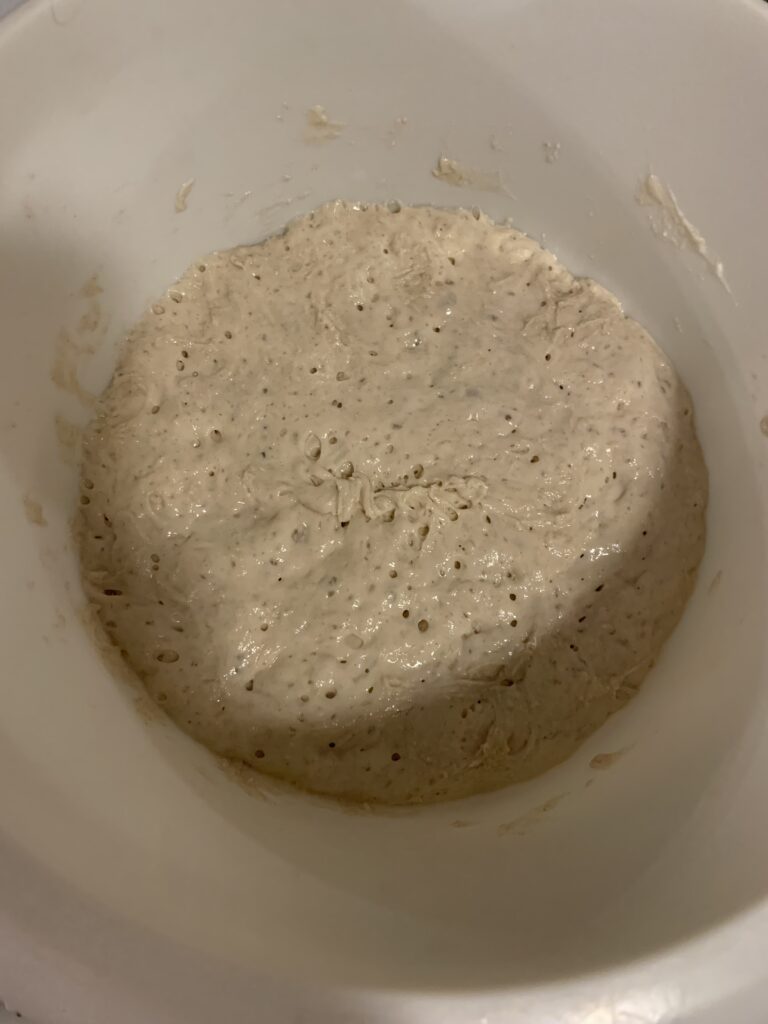
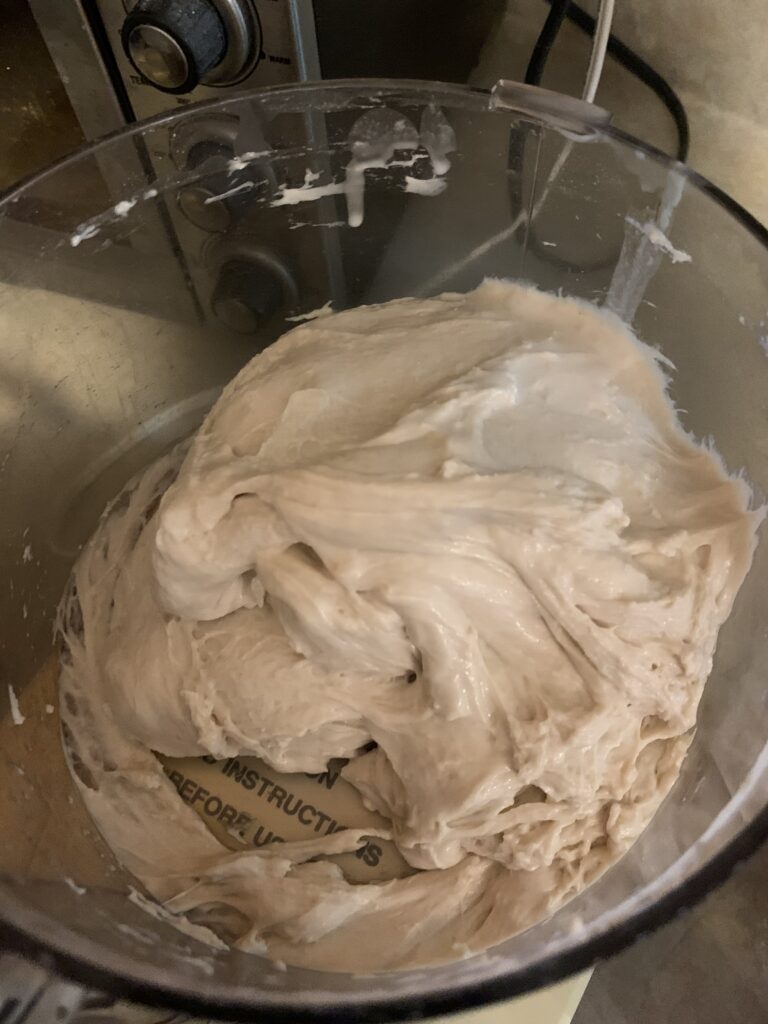
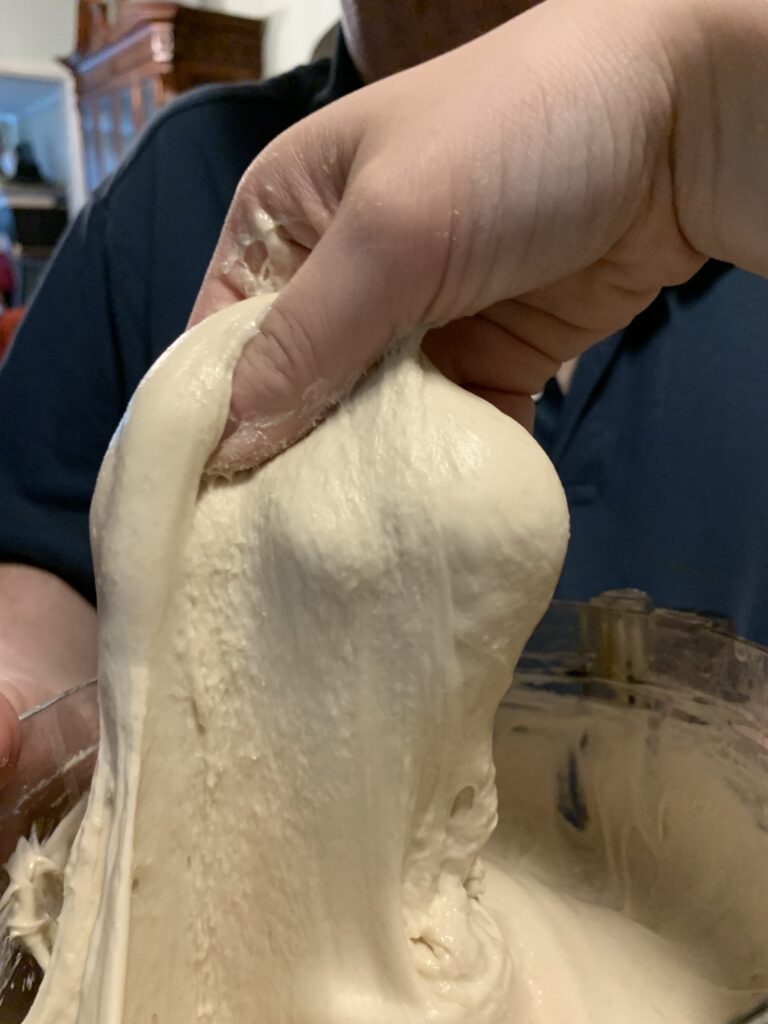
And now for the successful attempt!
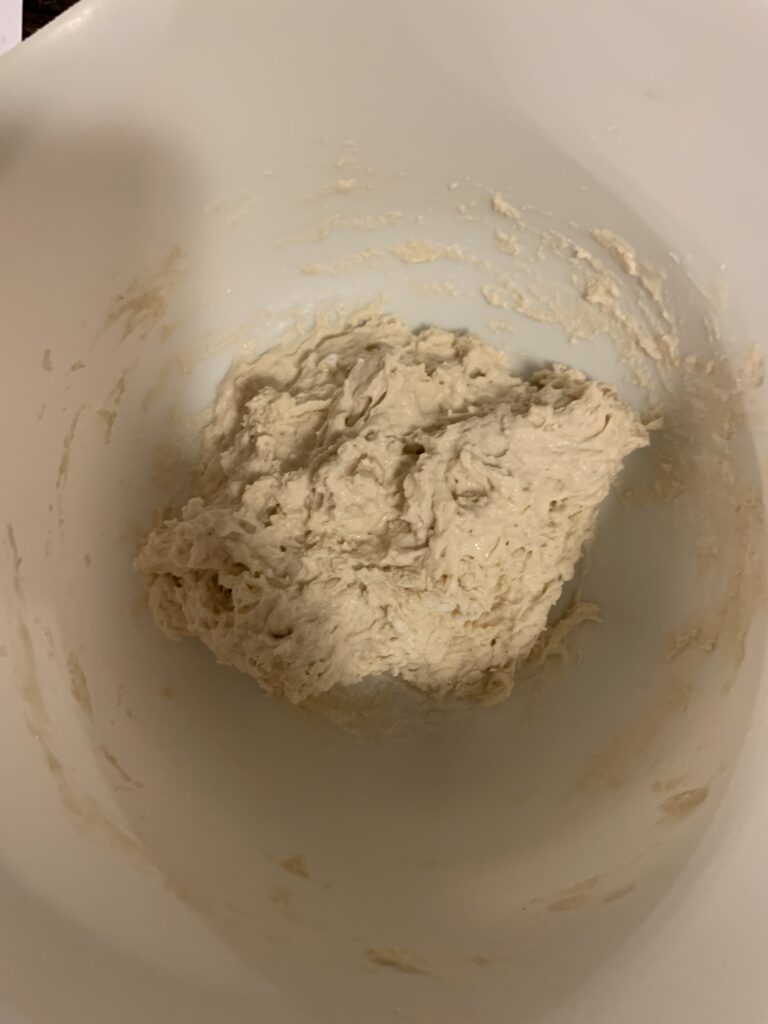
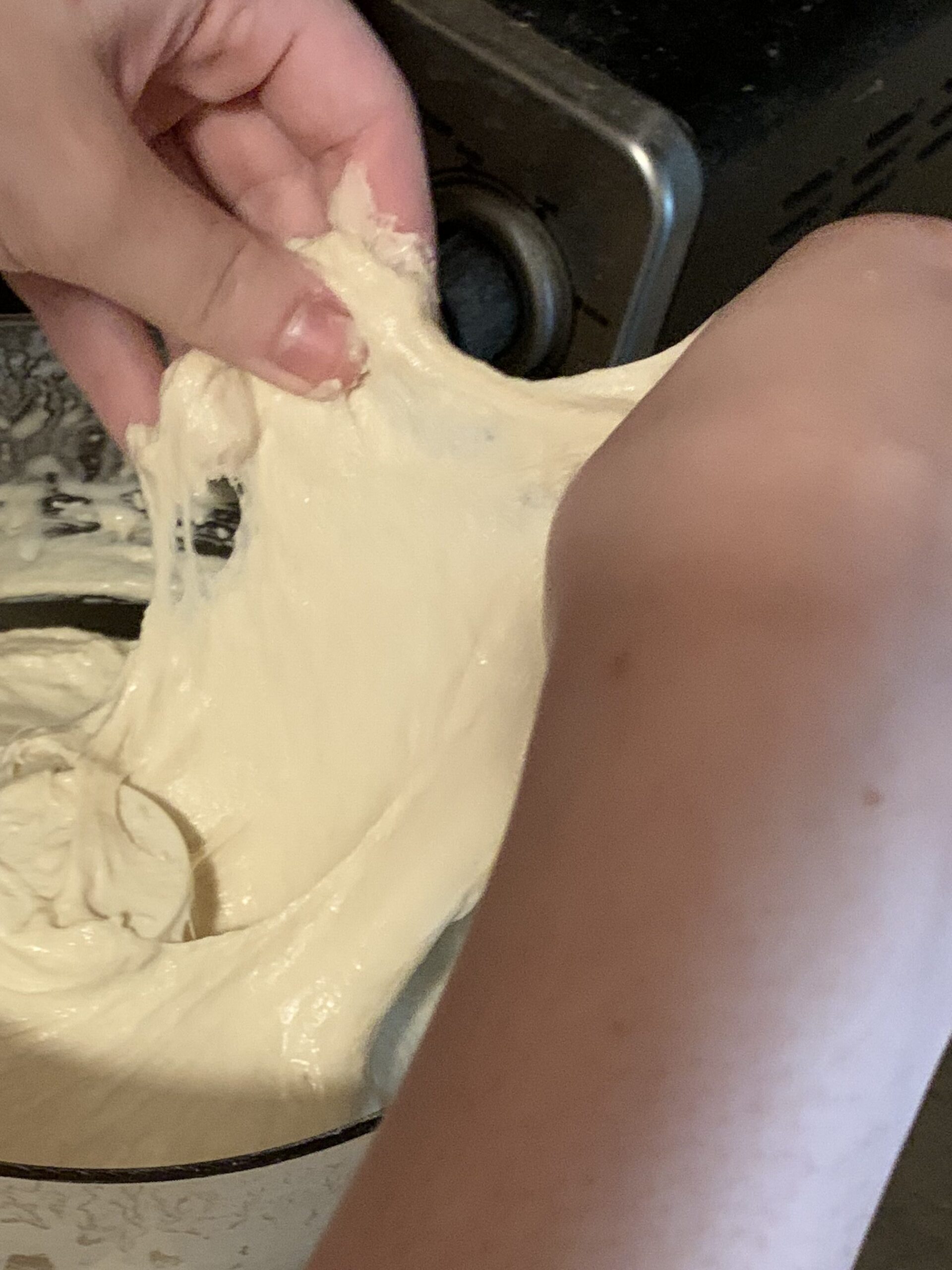
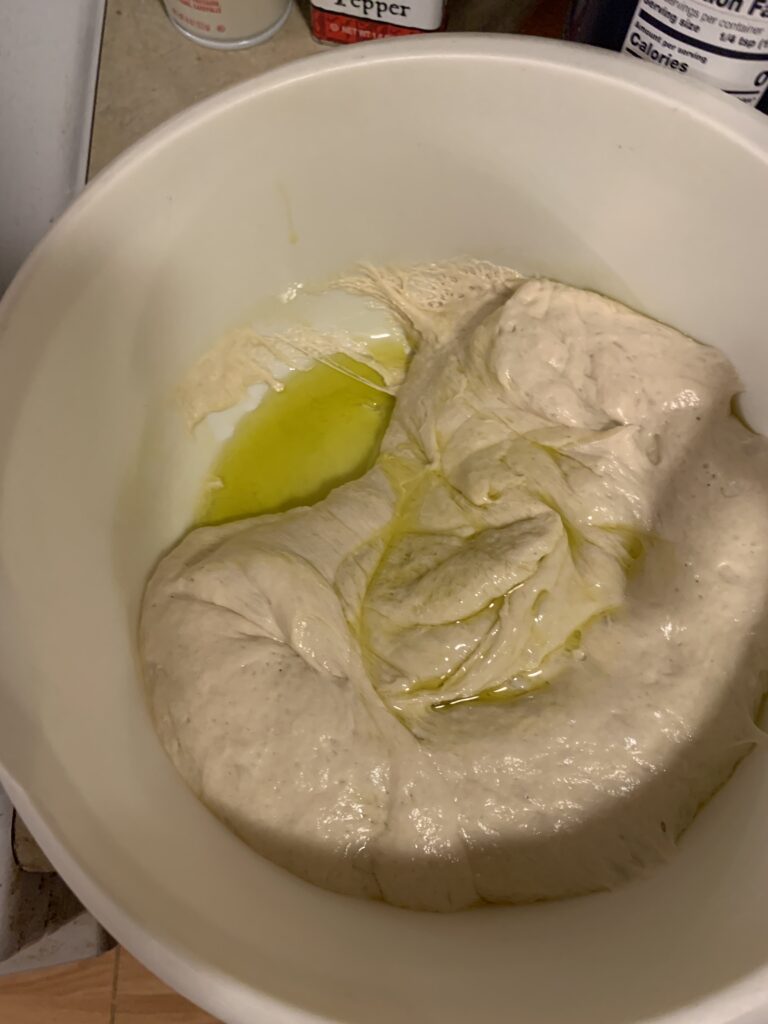
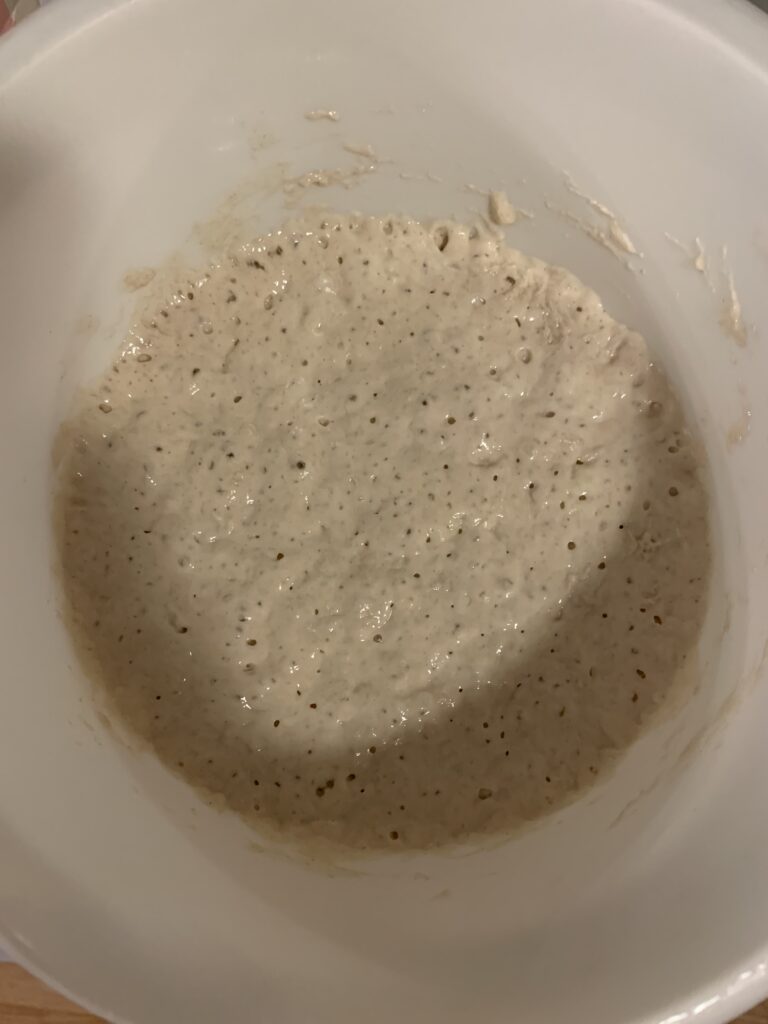
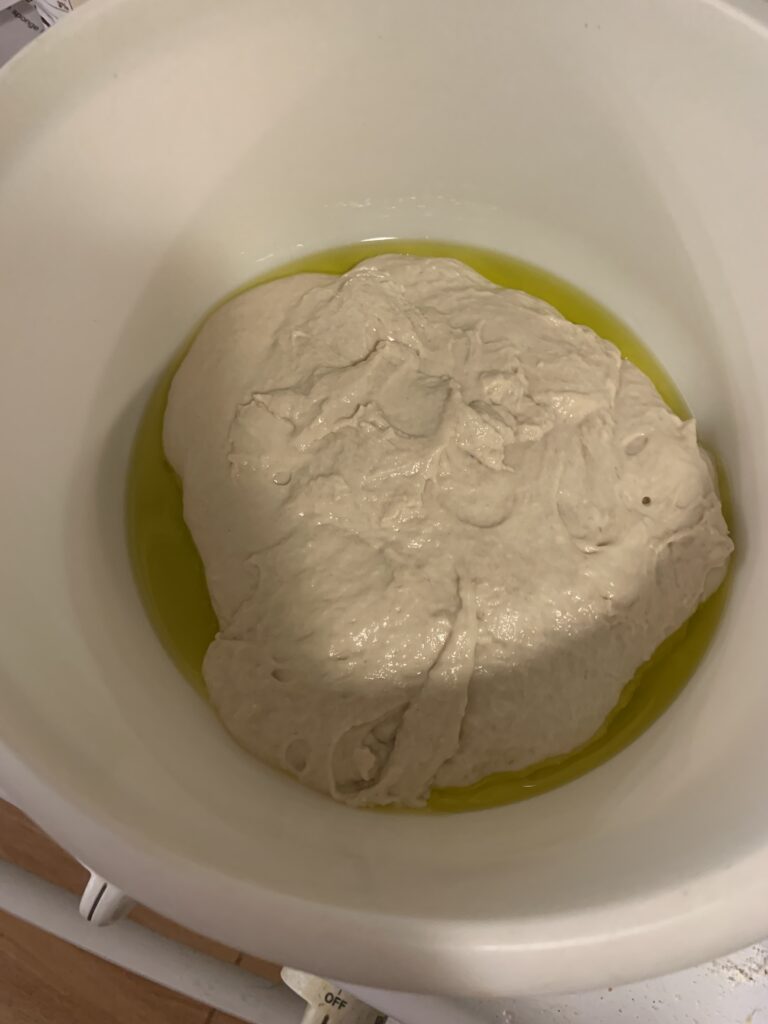
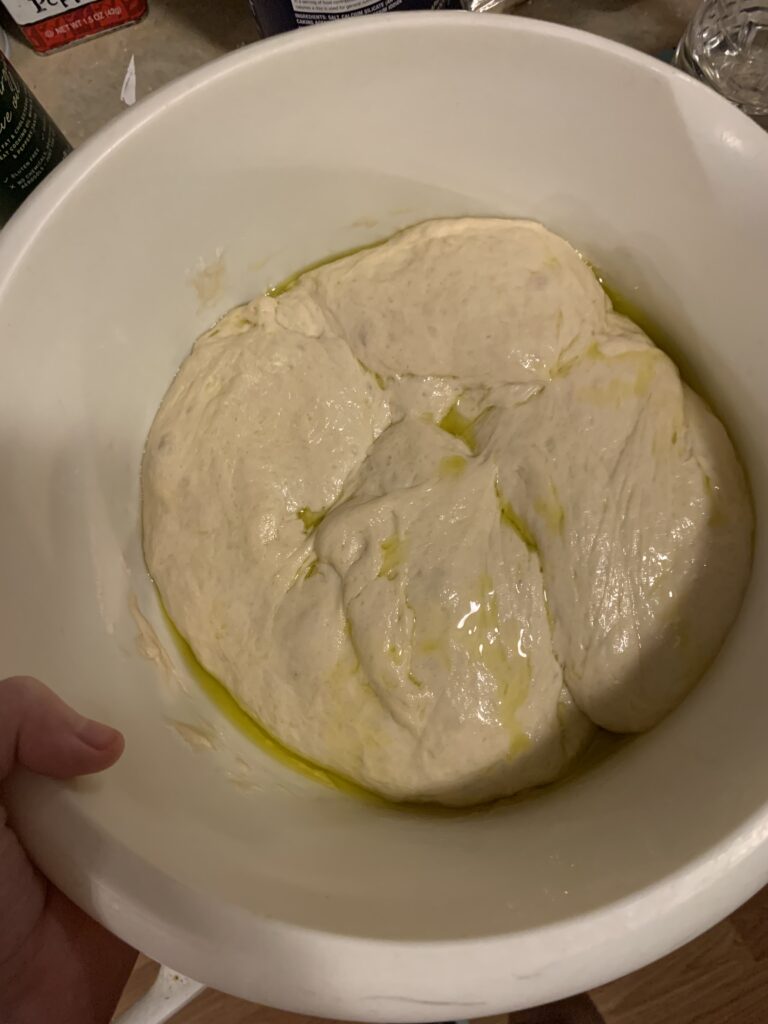
And now for the final product….
After 24 minutes in the oven, the loaves were ready. You can see the holes where the kitchen thermometer went into the loaf.
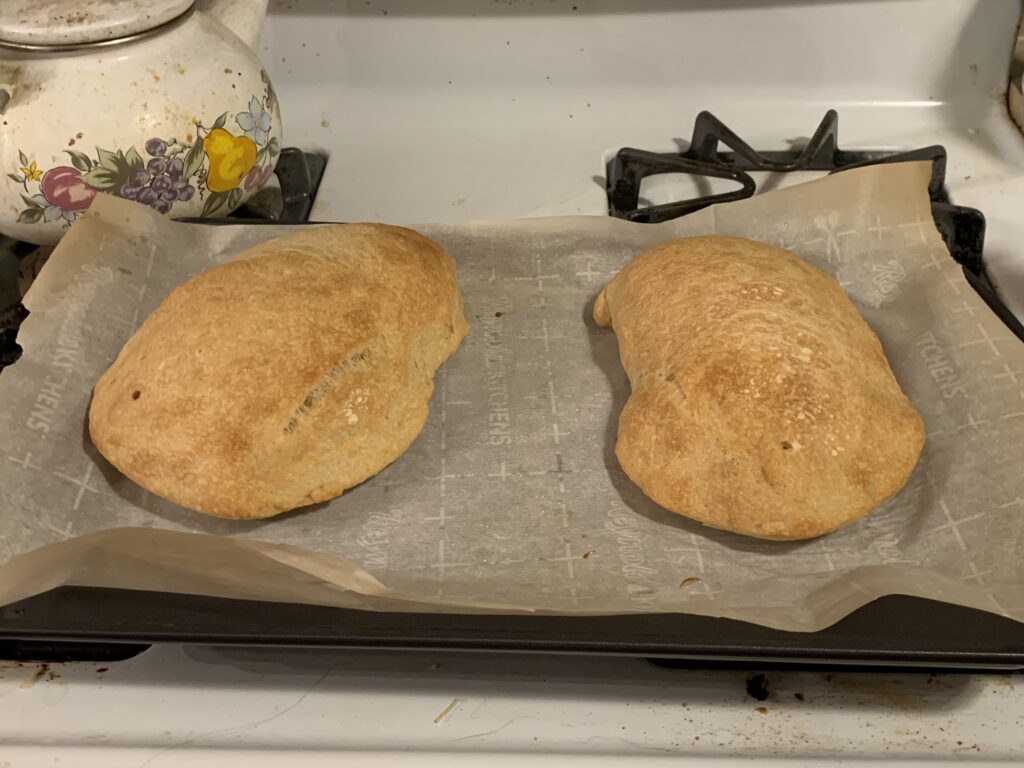
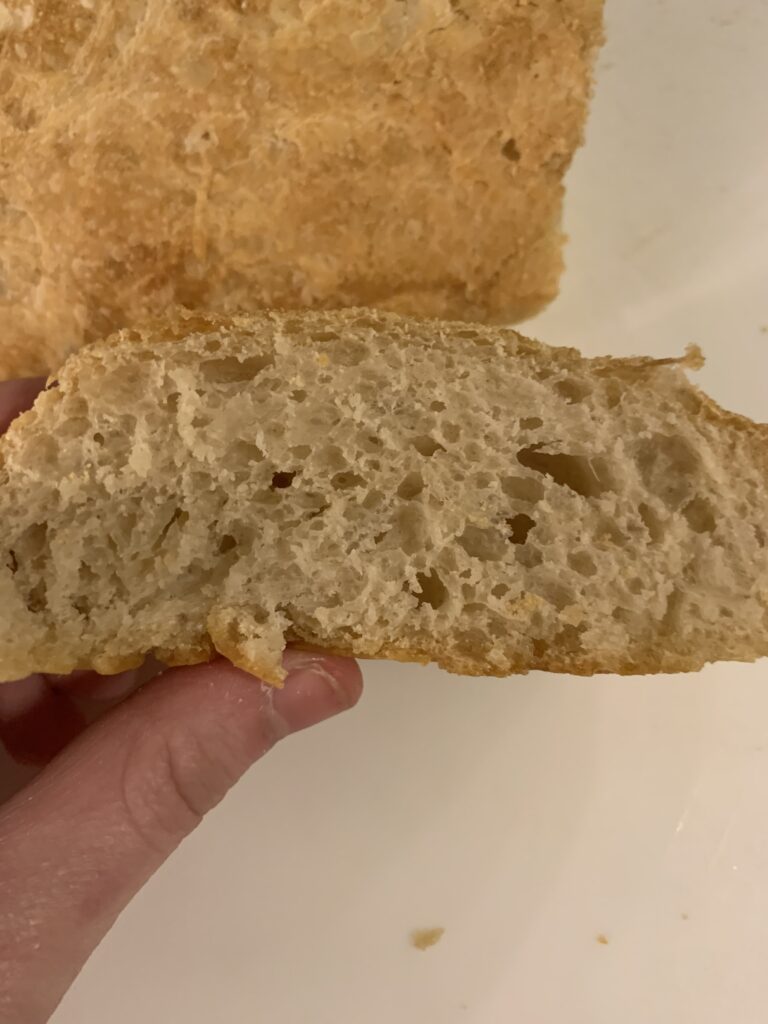
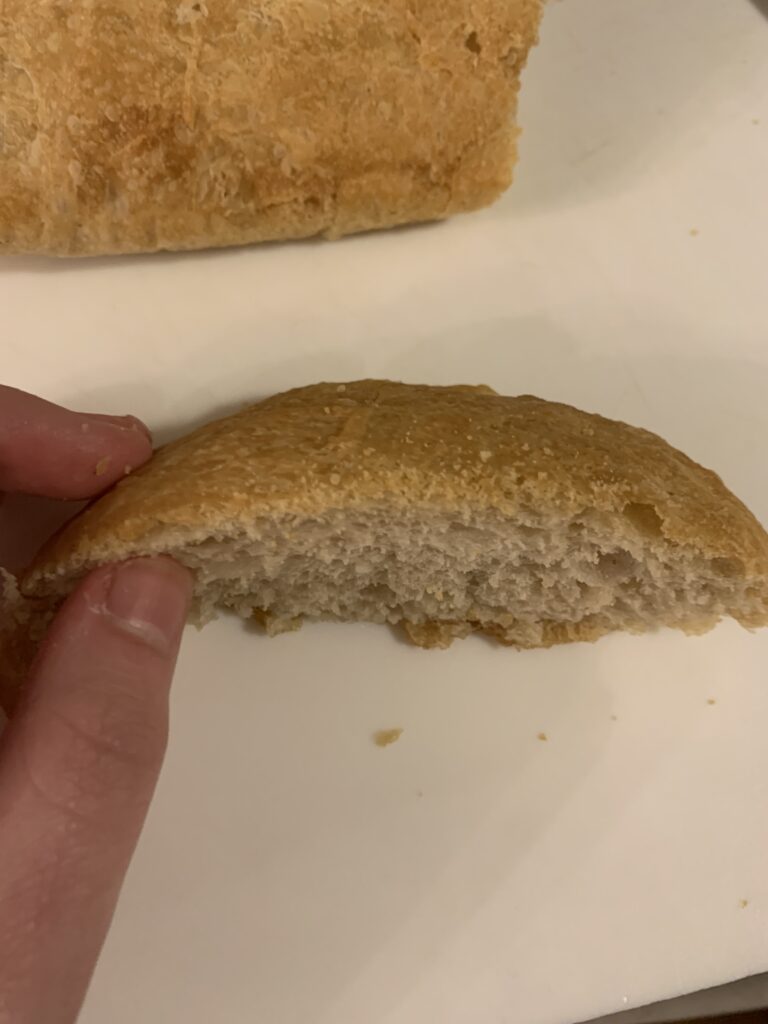
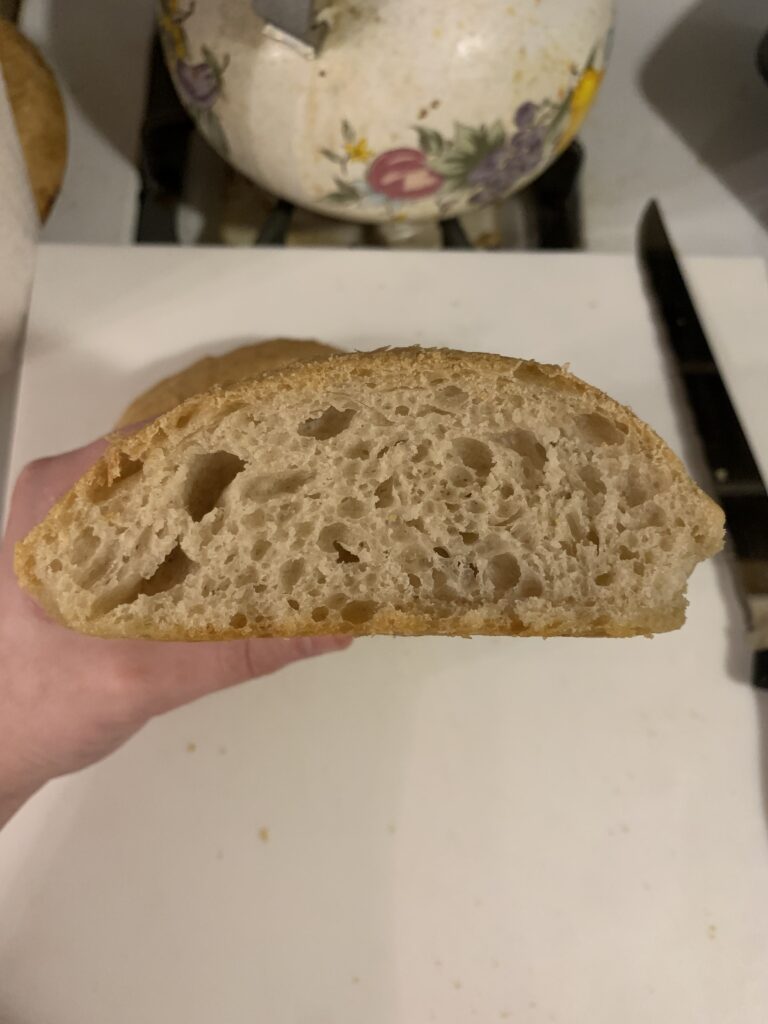
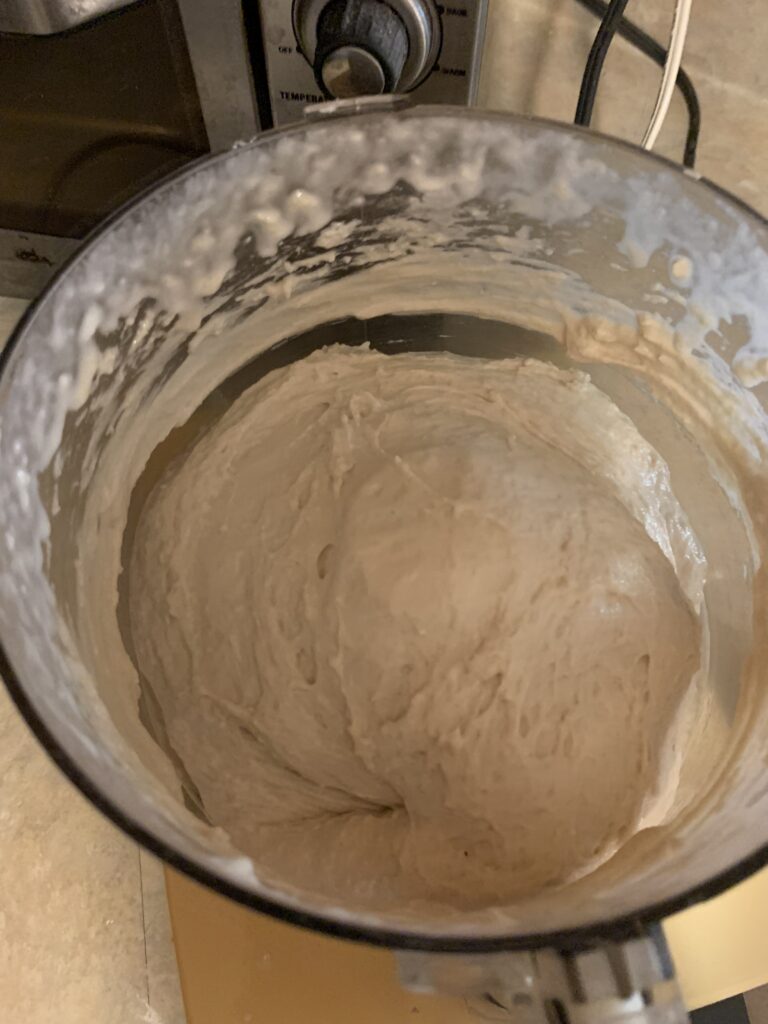
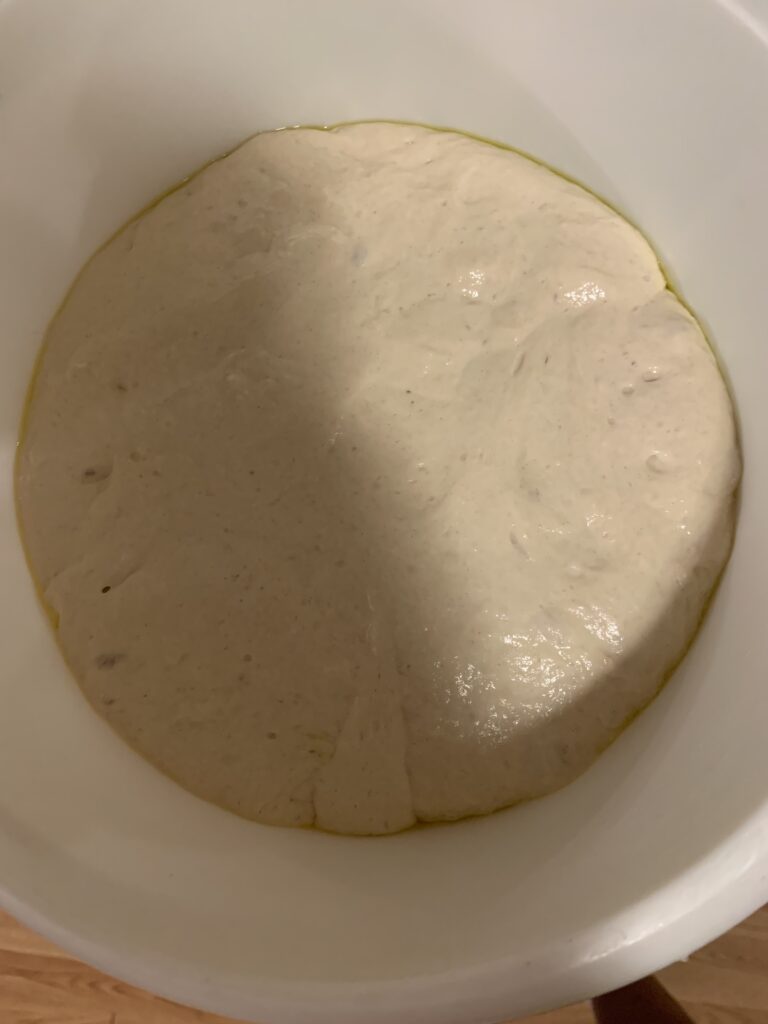
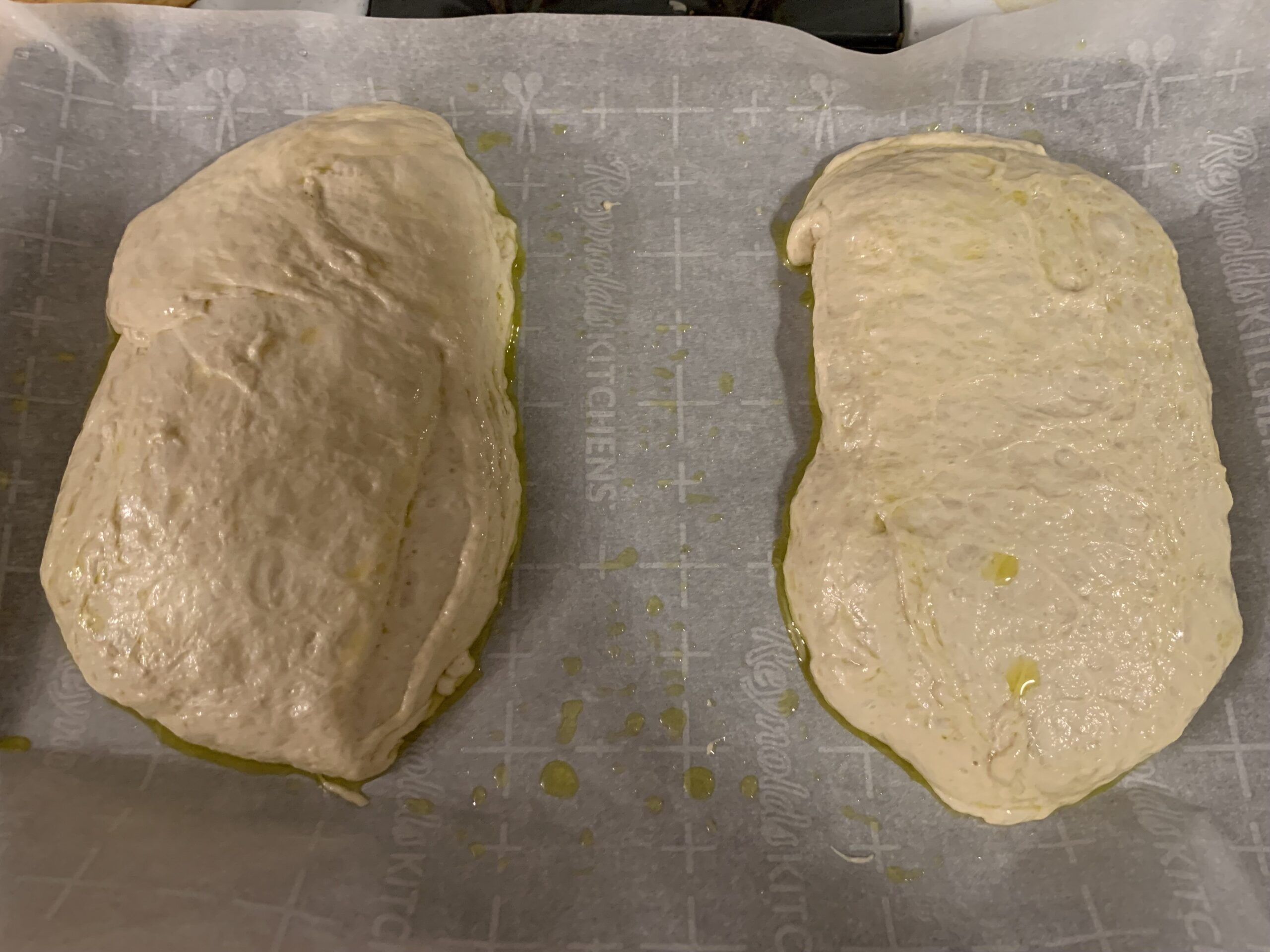
I didn’t mention this in the video, but I think also the baking process went really well. I didn’t burn the bread like last week and the bread was the perfect temperature the moment I put the thermometer in. I had said the sponge part went well because of how consistent and similar each ball mixture was to each other. By doing the sponge part twice, I was able to see that I had been doing the right thing and achieving the right texture and consistency in my work. I saw that really getting in the bowl with my hands instead of just trying to use the wooden spoon to break up the chunks and ensuring that there where absolutely zero chunks made pouring the mixture into the food processor easier. I probably could have used less oil, which is something I think I would try to adjust if I did the recipe again. The bread had a sort of “spongey” texture and there was still water on the bottom tray when we took out the bread. I think the bread came out the texture I had expected: soft on the inside but hard around the crust, a bit like garlic bread (which correct me if I’m wrong but I think is Italian and this course is based around Italian recipes so that would make sense).
So, what would happen to the texture and appearance of the bread if you decreased the amount of water in this recipe?
After seeing that adding too much water would cause the dough to be extremely liquidy, and after comparing the bread this week to last week’s breadsticks, I think it’s safe to say that adding less water would have kept the dough stiff. Water helps the glutenin and the gliadin mix together to form the dough. Decreasing the amount of water would have produced dough that is more like rubber that would most likely tear or rip apart very easily. I’m not sure if yeast activates with water and if less water will then affect how much rise the dough will have, but something tells me that the bread won’t be as firm/have as much strength and support if there is less water. Like it would fall apart like cake is described to in one of the lessons for this week. I feel like the air bubbles/pockets you see in the cross section of the bread wouldn’t be as big, prominent, or tall. The bread would also probably be more stiff as well.
What chemical outcome did the windowpane test demonstrate?
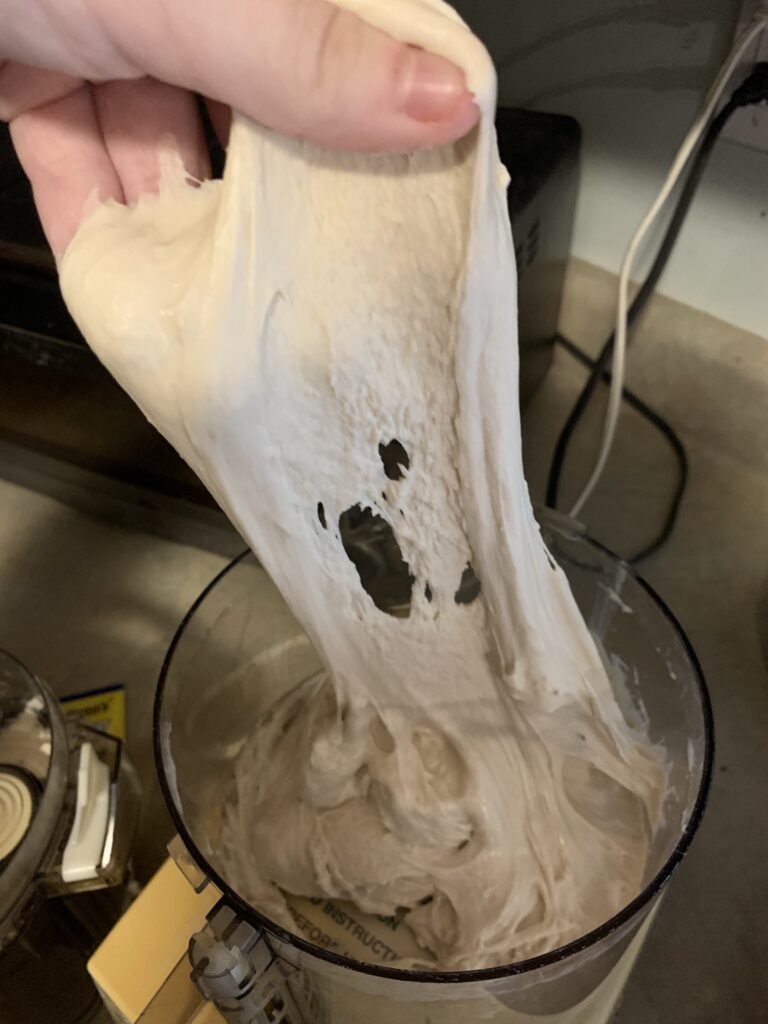
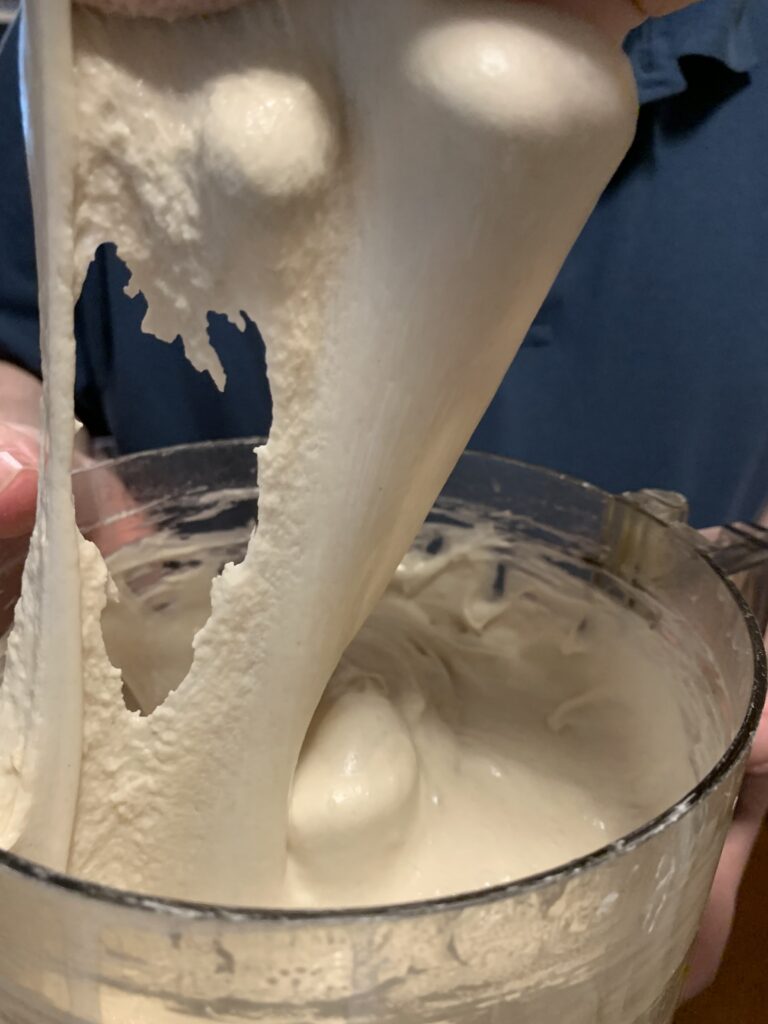
I probably won’t be phrasing this right, but the the windowpane test demonstrated to us what the gluten matrix looks like even before the bread is baked. It showed the elasticity of the hydrogen bonds (or ‘H-Bonds’ as my chem teacher in 10th grade phrased it) and also demonstrated how it can be both strong and weak (I say ‘strong’ because there needs to be at least some amount of strength to hold the dough together). The windowpane test also showed the bonds that were being held together by the gluten and it showed us one of the pockets that would fill up with air once the dough was baked (i.e. like the gluten balloon). I can’t phrase it the way I want to, but I feel like that thin, transparent, stretch of dough looked similar to what we saw inflate in the gluten balloon. Chemically, the windowpane test demonstrated the bonds formed from mixing glutenin, gliadin, and water together.